
Choose and Maintain a Treatment System
Settle which treatment system fits the problem and how to keep it working.
Treatment Systems
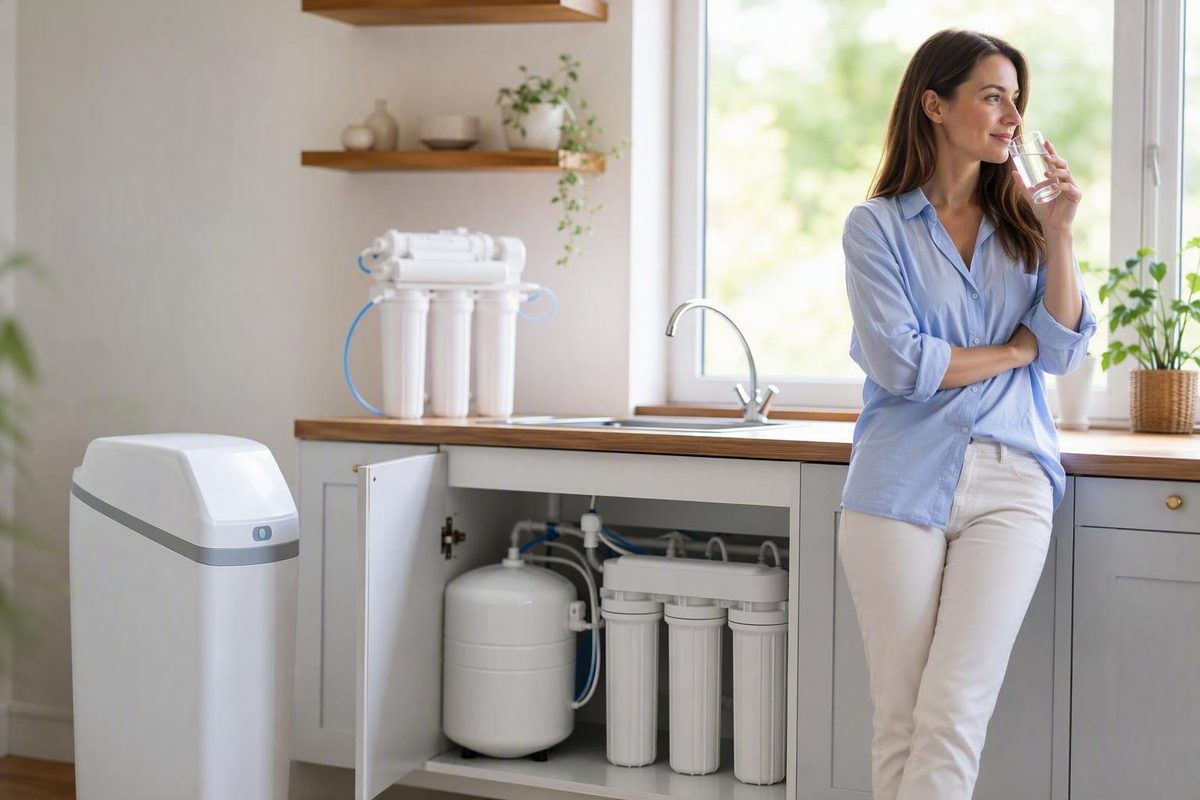
Reverse Osmosis vs Water Softener: What They Treat
Use both when you have two separate water problems: whole-house hardness and a point-of-use drinking-water concern.
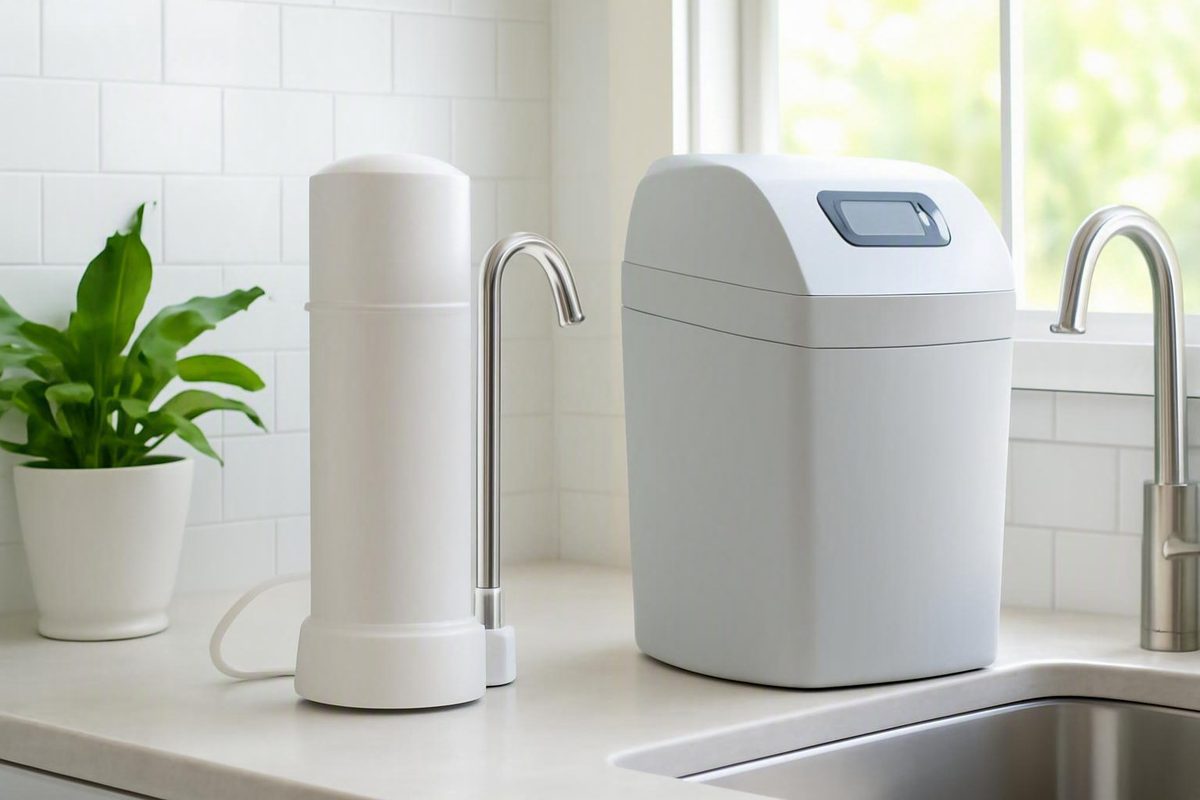
Water Filter vs Water Softener: Problems Each Treats
A kitchen RO unit does not control scale in a water heater, shower, dishwasher, laundry connection, or any other fixture it does not serve.
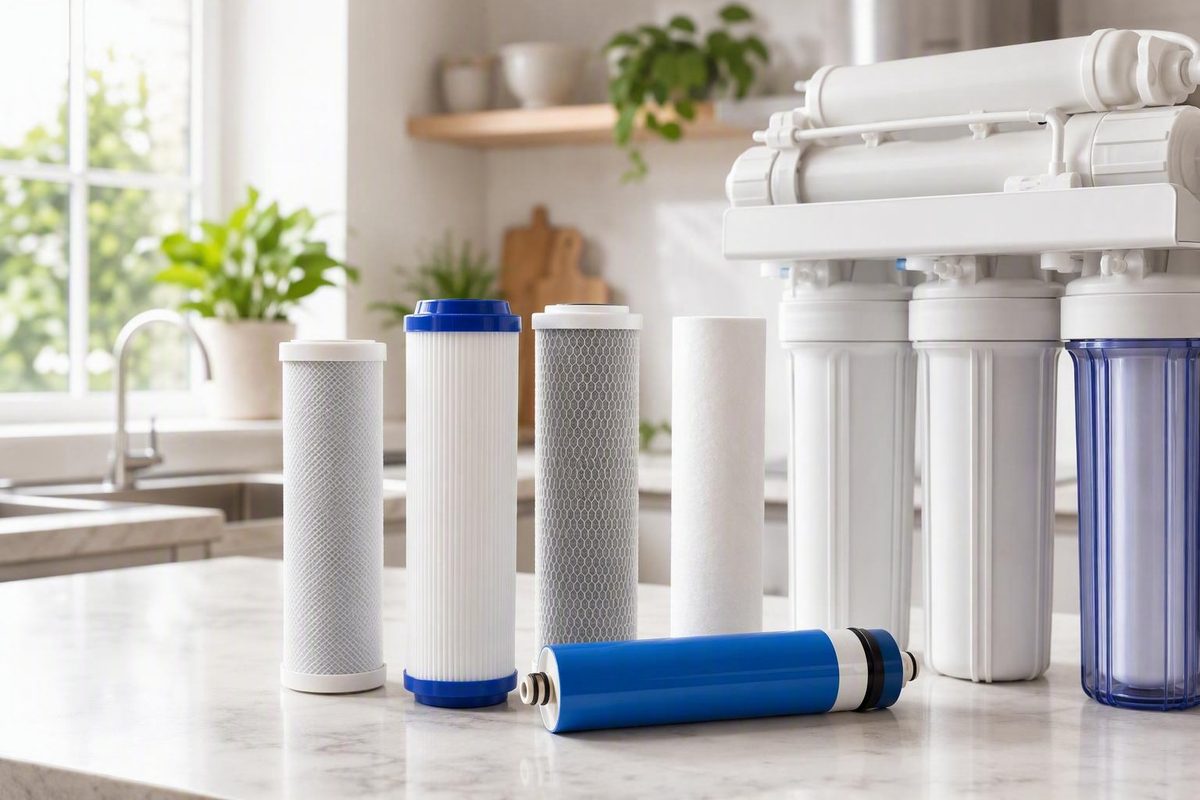
Replacement Filters Must Match Your RO System
Use the full model and existing part numbers to confirm fit. A "five-stage replacement set" may describe the system it serves, not the package contents.
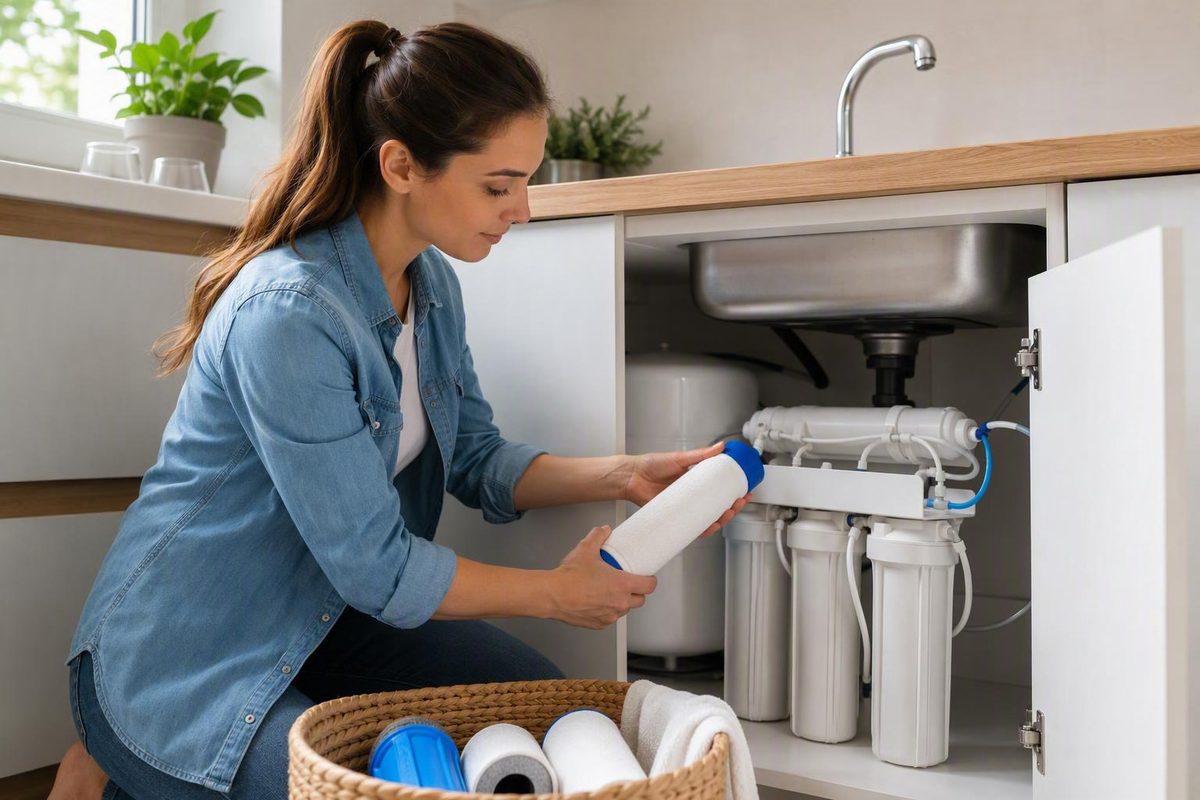
How Do You Change Reverse Osmosis Filters the Safe Way?
Identify the system, isolate and depressurize it. Service one stage at a time, follow the manufacturer's flushing instructions and recheck at full pressure.
Culligan Reverse Osmosis System: Models, Output and Upkeep
Compare Culligan Aquasential RO and Smart RO by tank-rated output, contaminant claims, feed-water limits, maintenance and ownership cost.
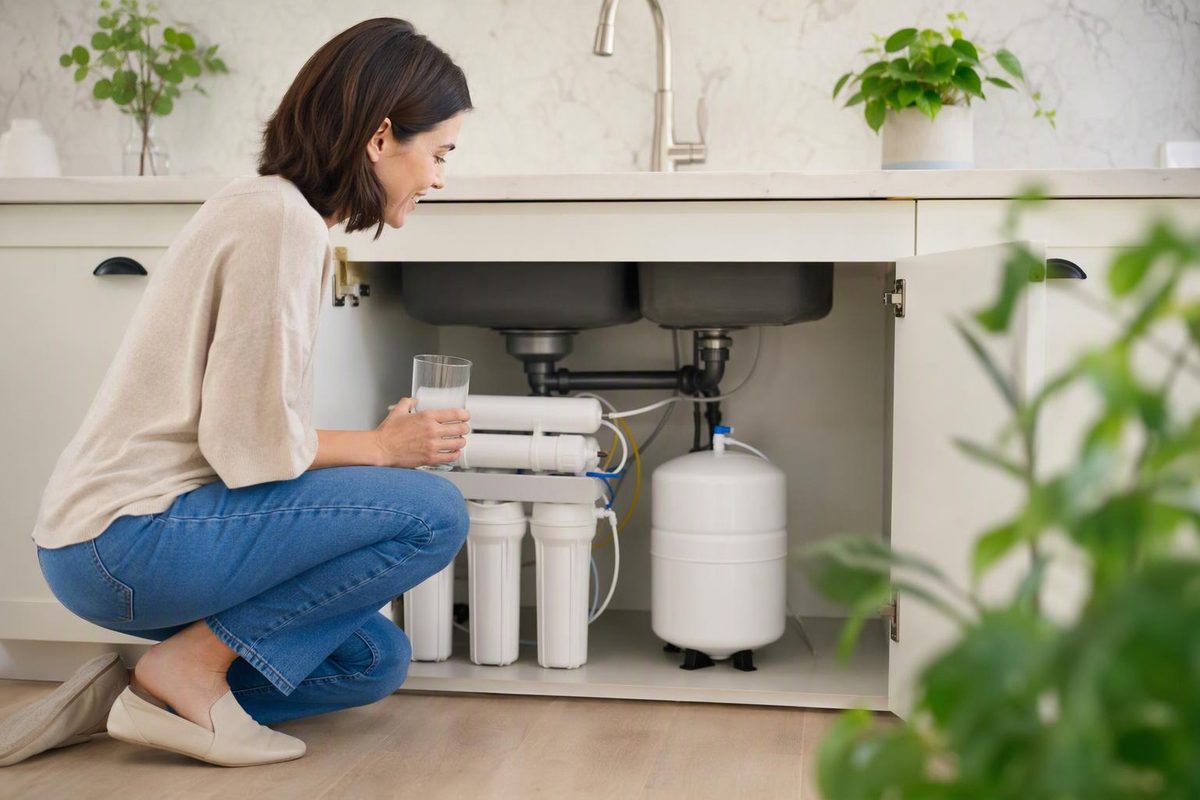
Hand Pump and Well: Depth, Fit and Drinking-Water Checks
Choose a well hand pump by water level, casing clearance and delivery pressure, then check testing and treatment before using the water for drinking.

Portable Water Filter: Choose by Water Source and Treatment Claim
Choose a portable water filter for tap water, camping or travel by checking microbial protection, certified claims, bottle fit and maintenance.
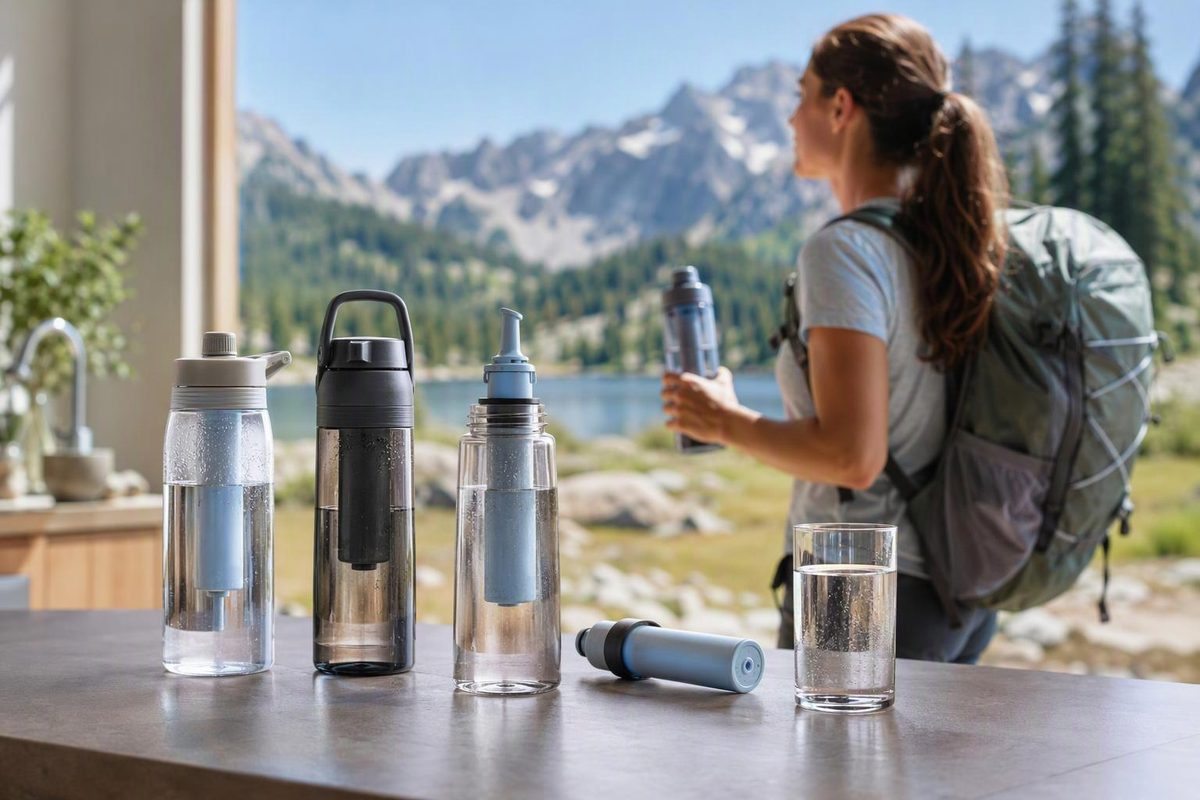
Sediment Filter: Choose the Micron Rating, Size and Type
Match a sediment filter to sand, silt or rust. Check micron ratings, housing fit, flow and maintenance—and know what sediment filtration cannot remove.
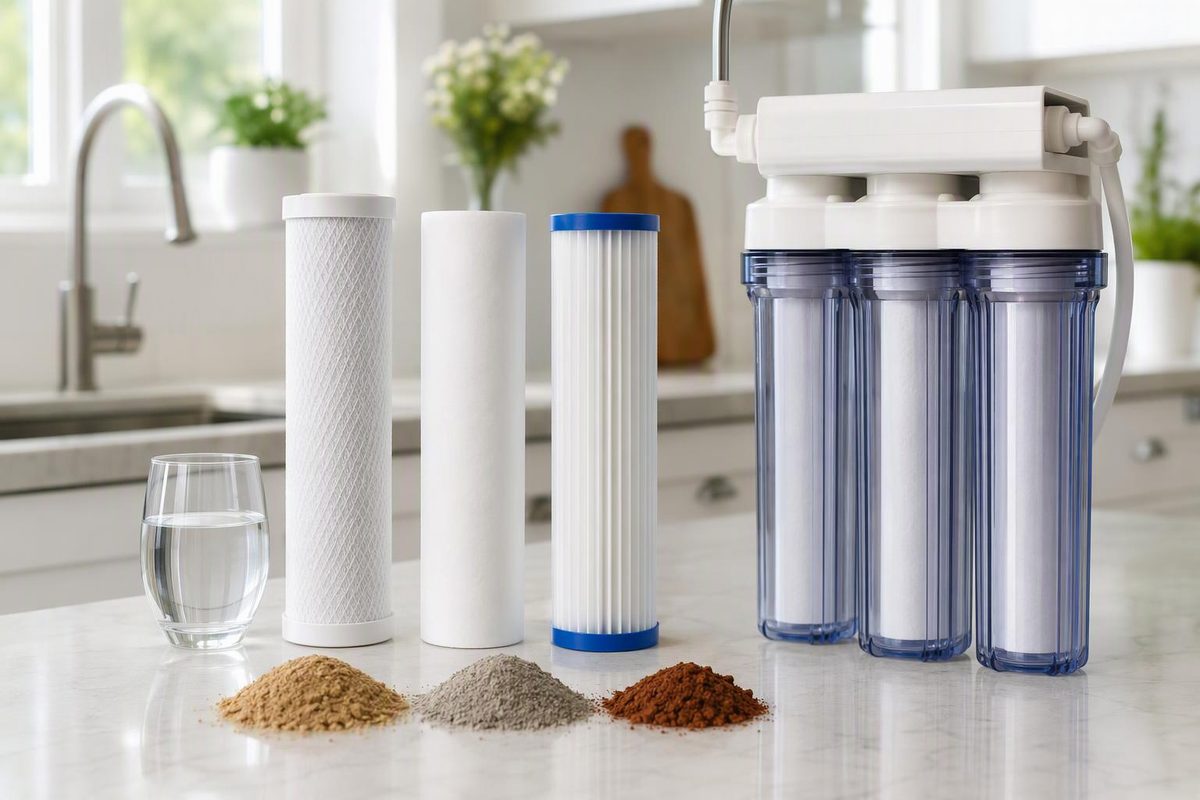
Whole-House Reverse Osmosis Water Filter: When It Fits
Decide whether whole-house RO fits your water, then check daily output, peak flow, storage, reject water, plumbing compatibility and upkeep.
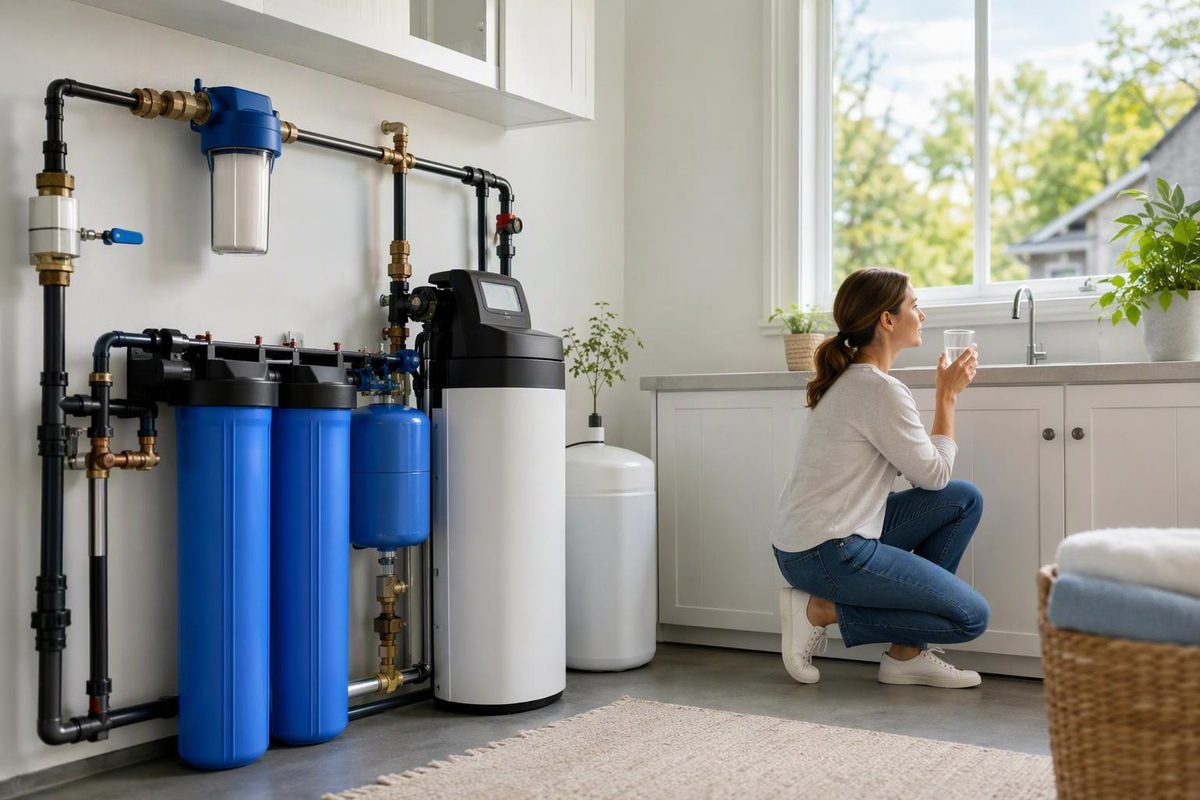
Under-Sink Reverse Osmosis Water Filter: Fit, Flow and Upkeep
Compare tank and tankless under-sink RO filters by usable output, feed limits, cabinet fit, reject water and upkeep—including brewing needs.
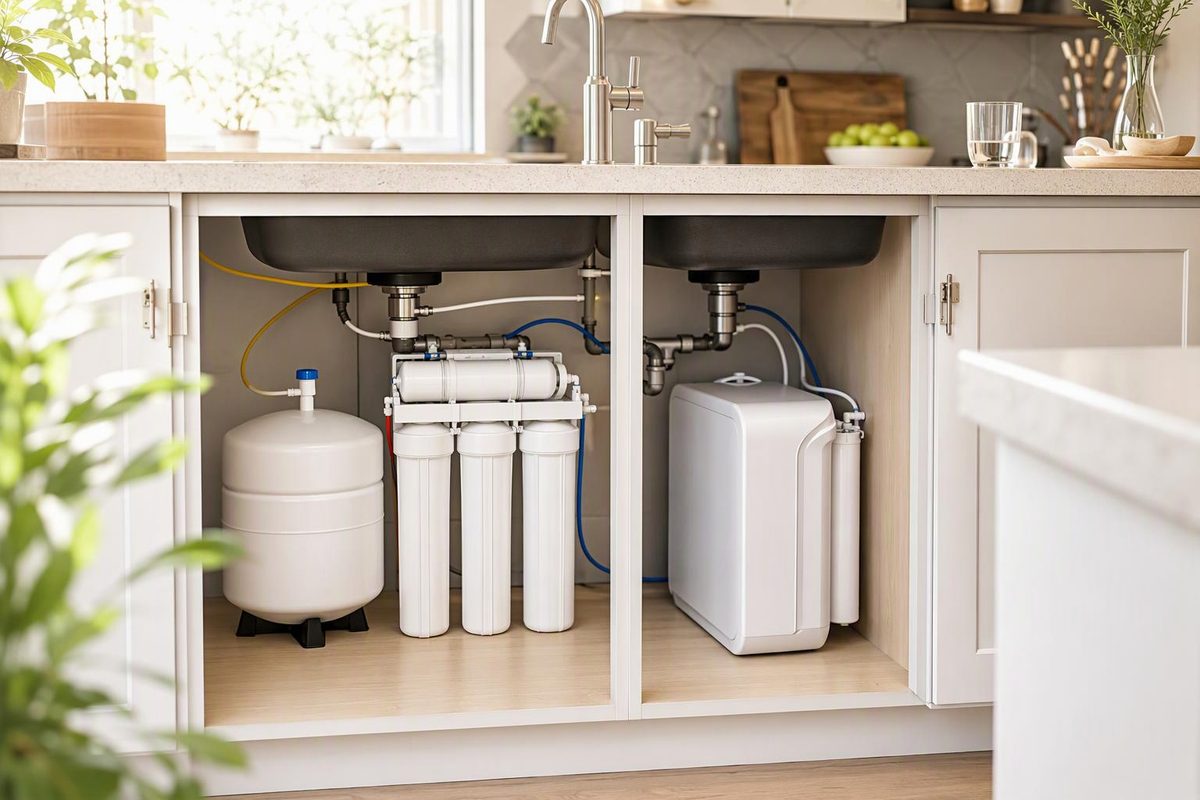
Water Filter for Sink: Check Faucet Fit Before Buying
Choose a sink water filter by faucet compatibility, certified contaminant claims, filtered flow and replacement needs.
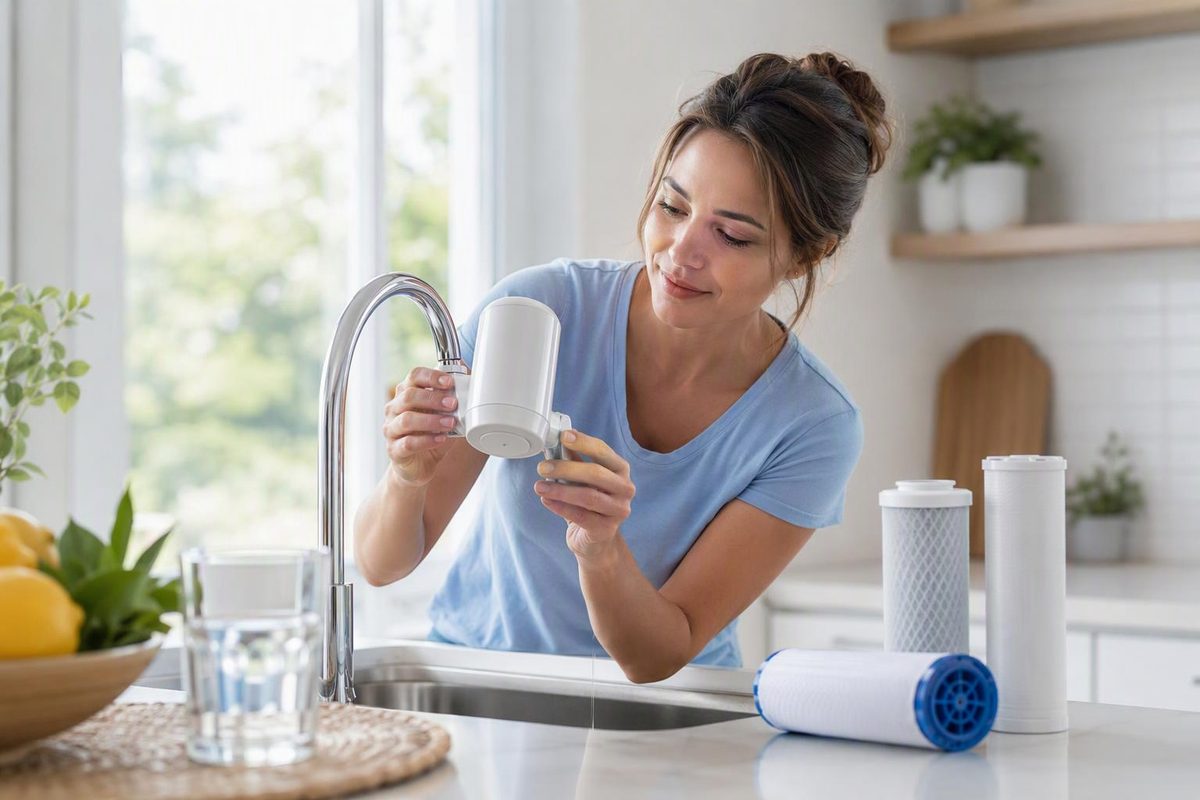
Under-Sink Water Filter System: Choose by Water Problem
Compare carbon and RO under-sink filters by certified claims, faucet setup, flow, cabinet fit and replacement costs—not stage counts.
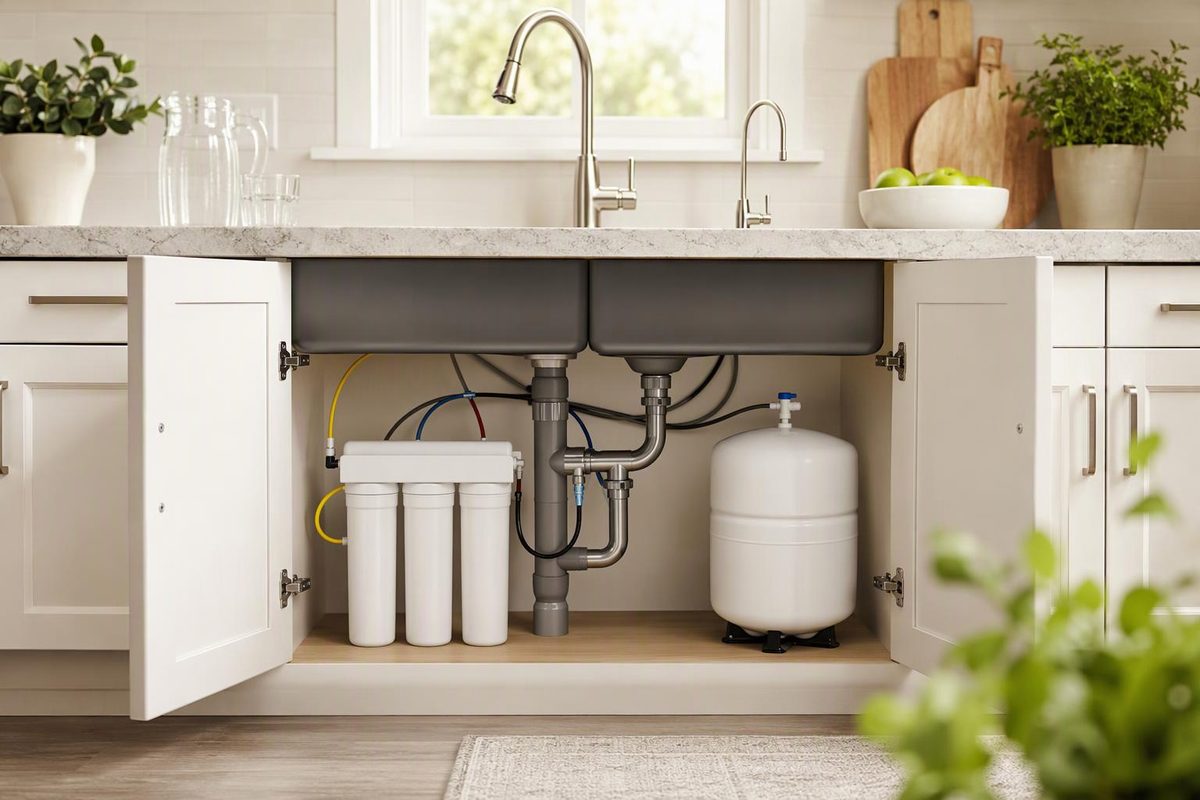
Whole-House Water Filter Cost: Installation And Upkeep
Compare whole-house water filter prices, installation allowances and replacement costs, then calculate a five-year budget for the system you’re considering.
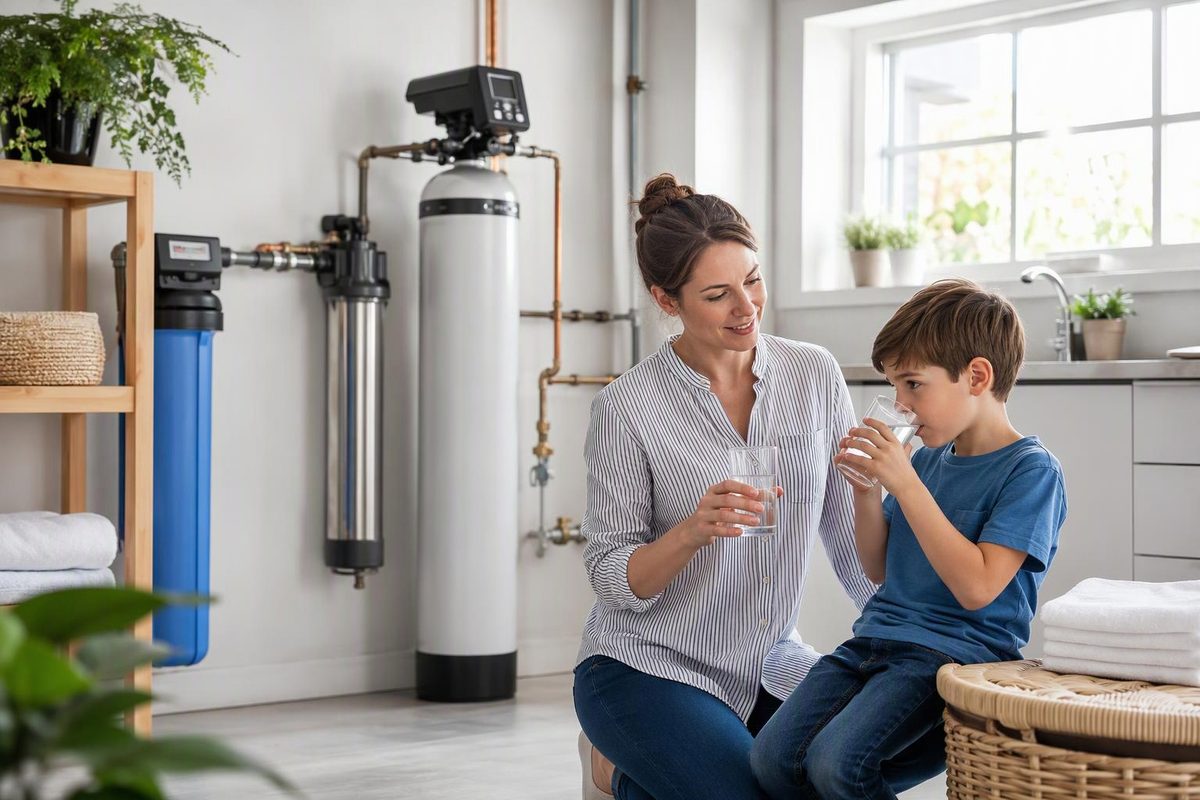
House Water Filter: Whole-House or Kitchen Only?
Decide between whole-house and kitchen filtration, match treatment to your water problem, and check certified claims, flow, pressure and upkeep.
Countertop Reverse Osmosis Water Filter Systems: 7 Checks Before Buying
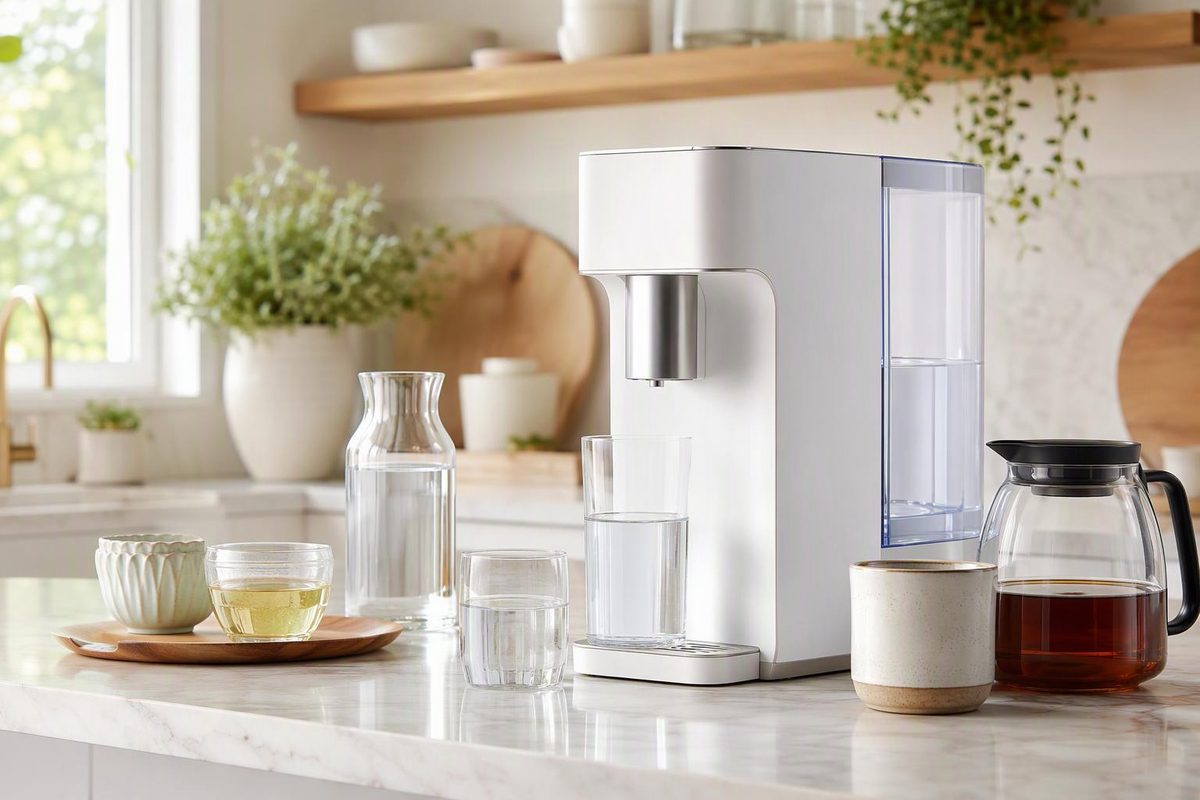
Compare countertop RO systems by certified claims, usable output, reject water, feed limits, upkeep and suitability for brewing.
Well Water Whole House Filter System: Test and Size
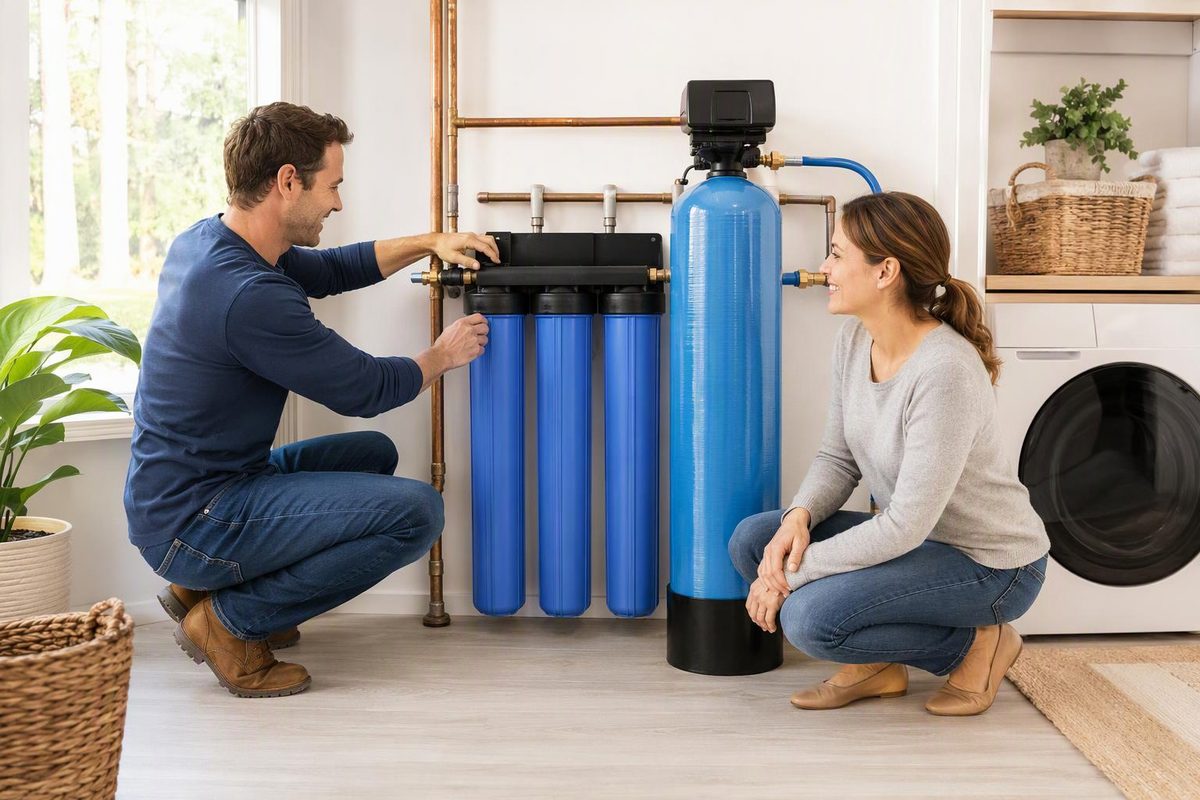
Use lab results, household peak flow, pump capacity and verified treatment claims to design a well-water system that fits the measured problem.
Best-Rated Whole-House Water Filters by Water Problem
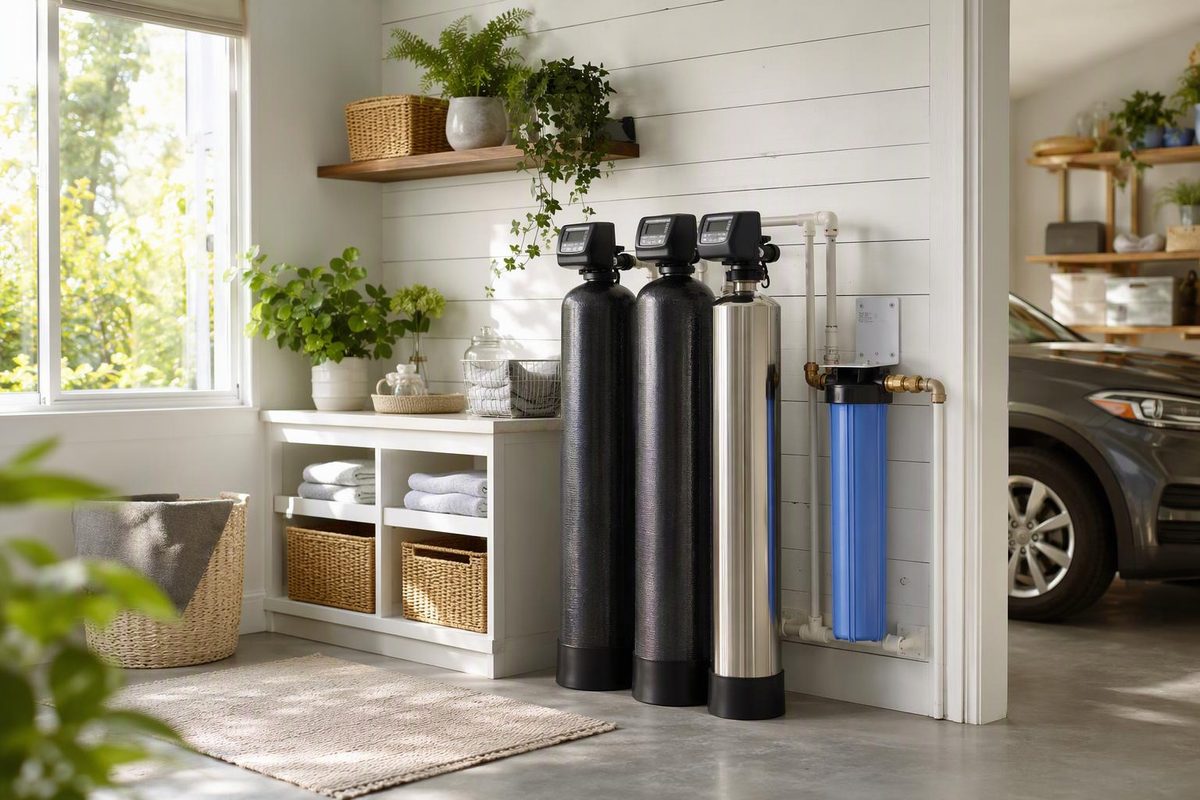
Compare verified whole-house options for chlorine, sediment, hardness and well-water microbes, with certified flow, capacity and maintenance limits.
Best-Rated Whole-House Water Filters: 3 Picks by Problem
Compare whole-house filters for PFAS, VOCs, chlorine and sediment using contaminant claims, tested flow, capacity and maintenance—not stars.
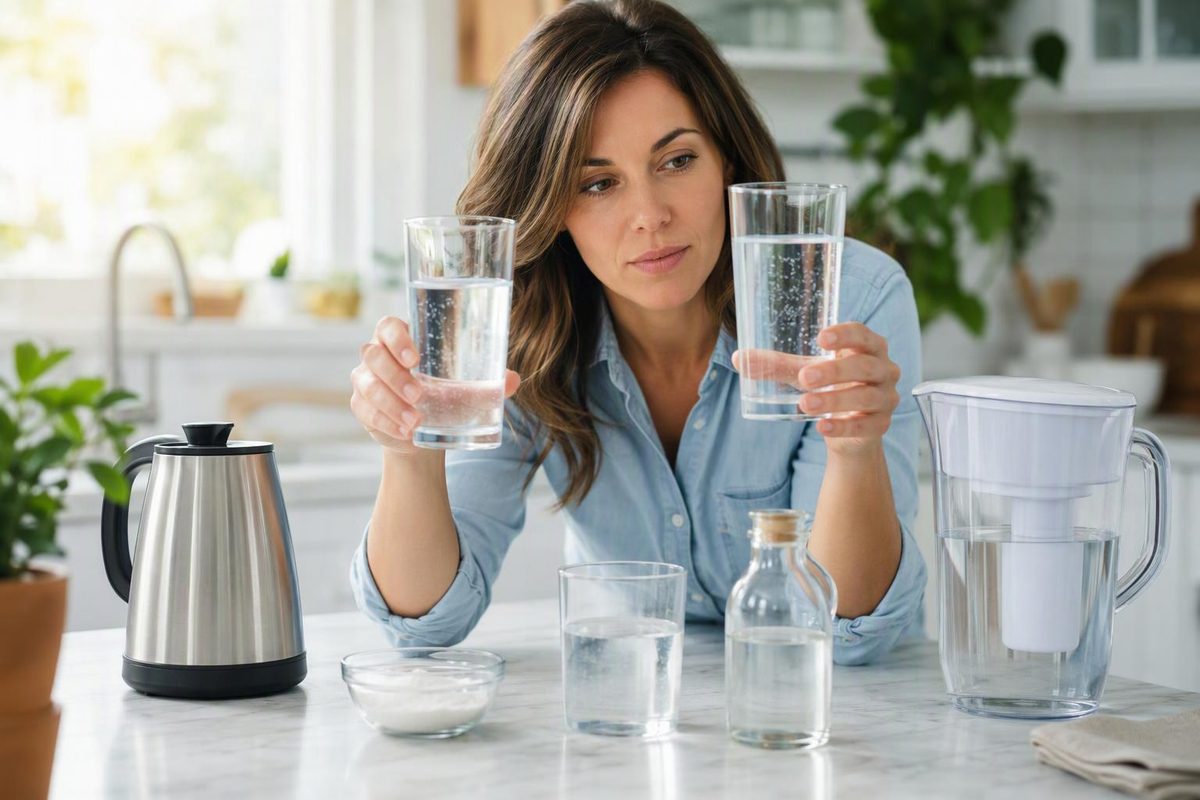
White Particles in Water: How to Identify the Source
Use hot-versus-cold checks and a vinegar test to identify white particles in tap water, then fix the source instead of guessing at a filter.
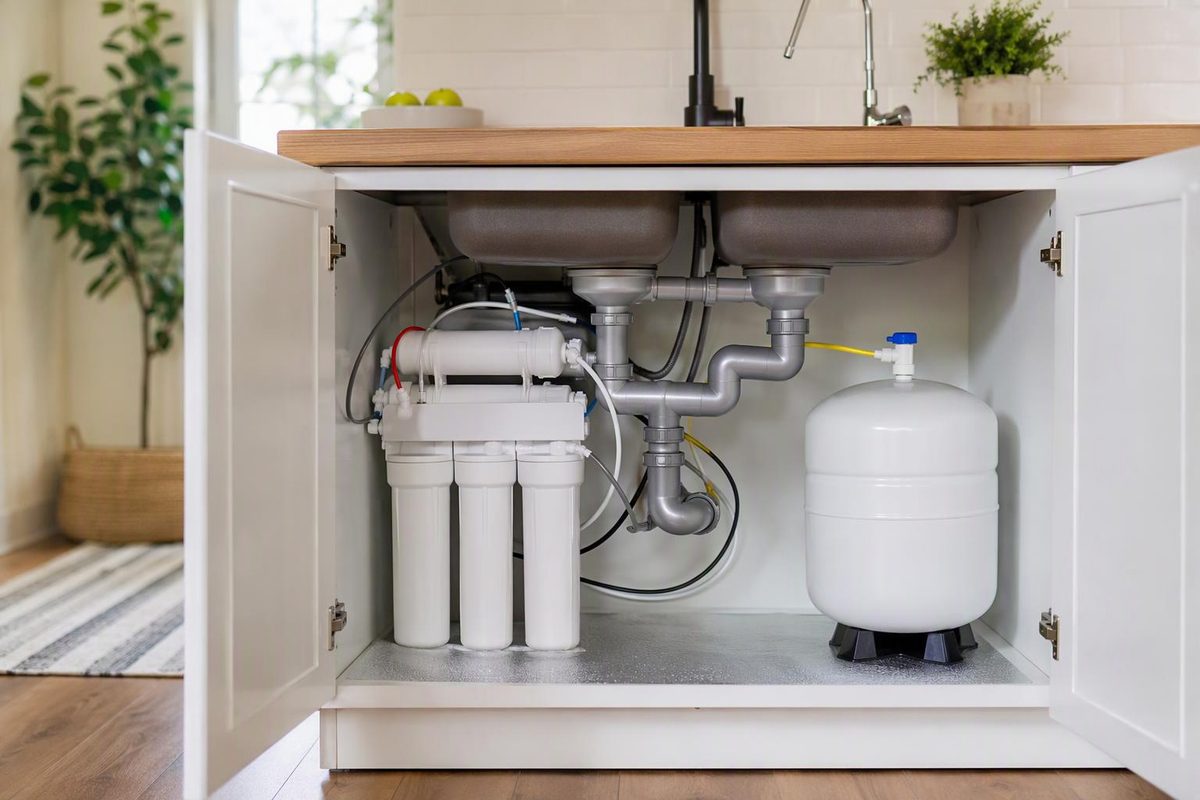
RO Installation: A Safe Under-Sink Setup Guide
Install an under-sink RO system: check pressure and fit, connect the cold feed, faucet, drain and tank, then flush and inspect for leaks.
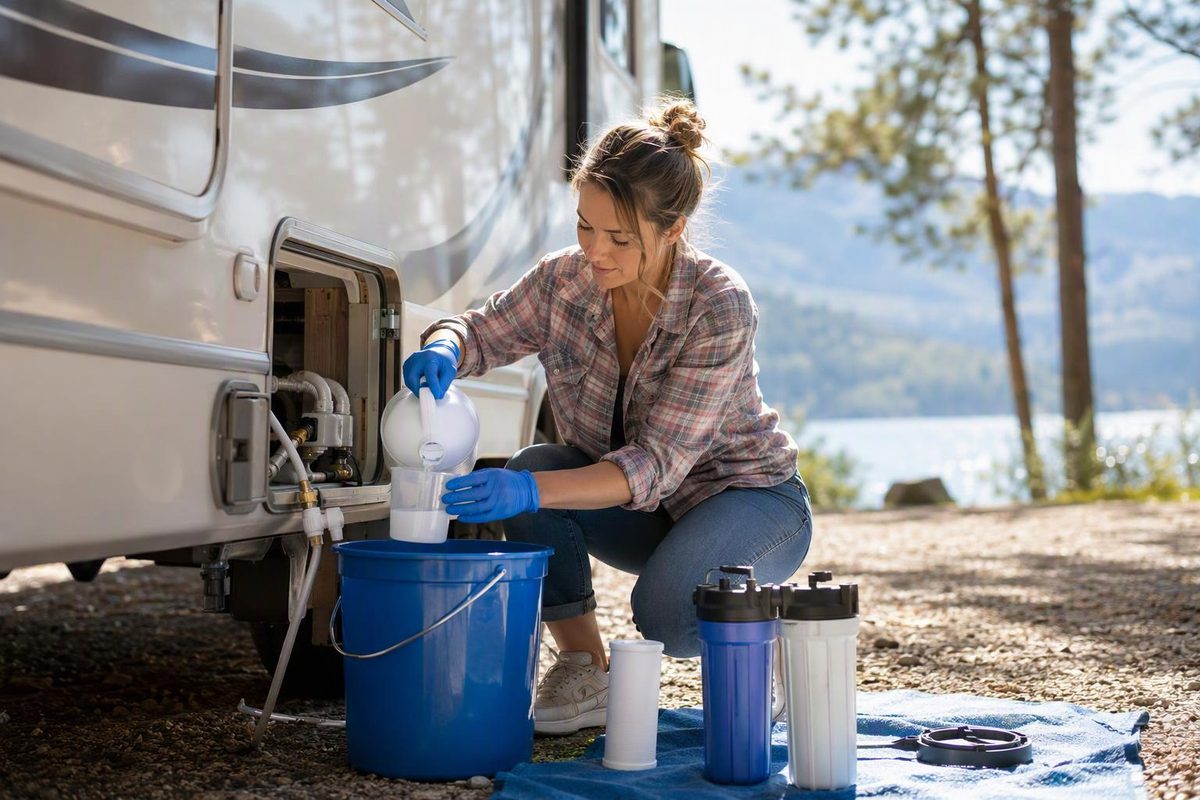
How to Sterilize an RV Freshwater Tank Safely
Calculate the bleach amount for your RV tank, then follow model-specific directions for dilution, contact time, flushing, filters, and heater bypass.
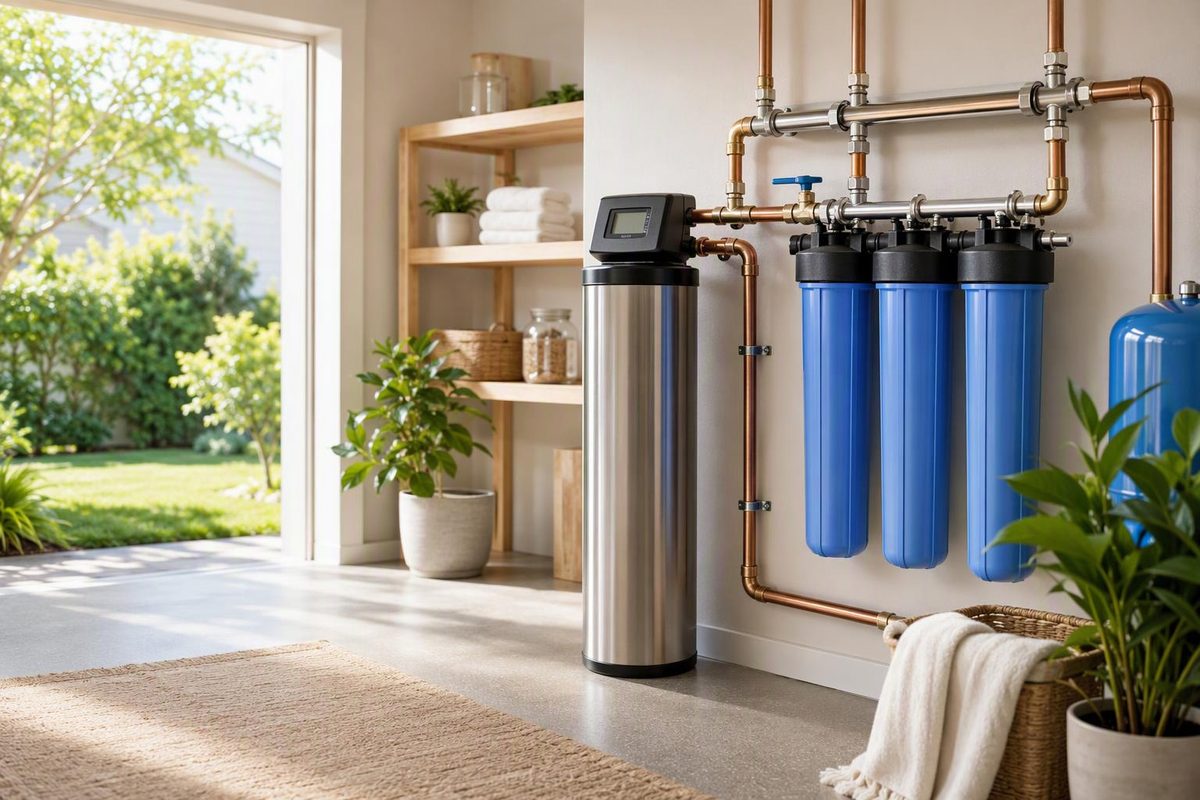
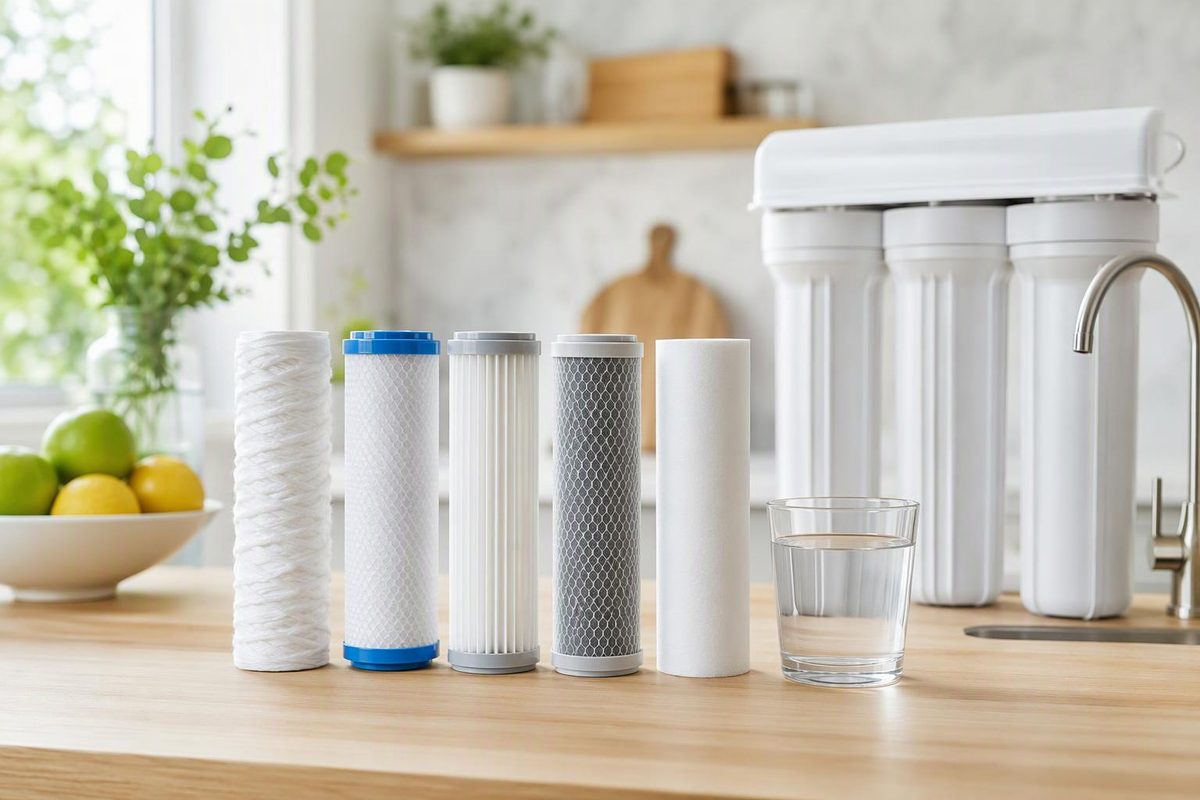
Cartridge Filters: Types, Micron Ratings and Selection
Match cartridge filters to sediment, taste or a verified contaminant claim, then check micron rating, housing fit, flow and replacement limits.
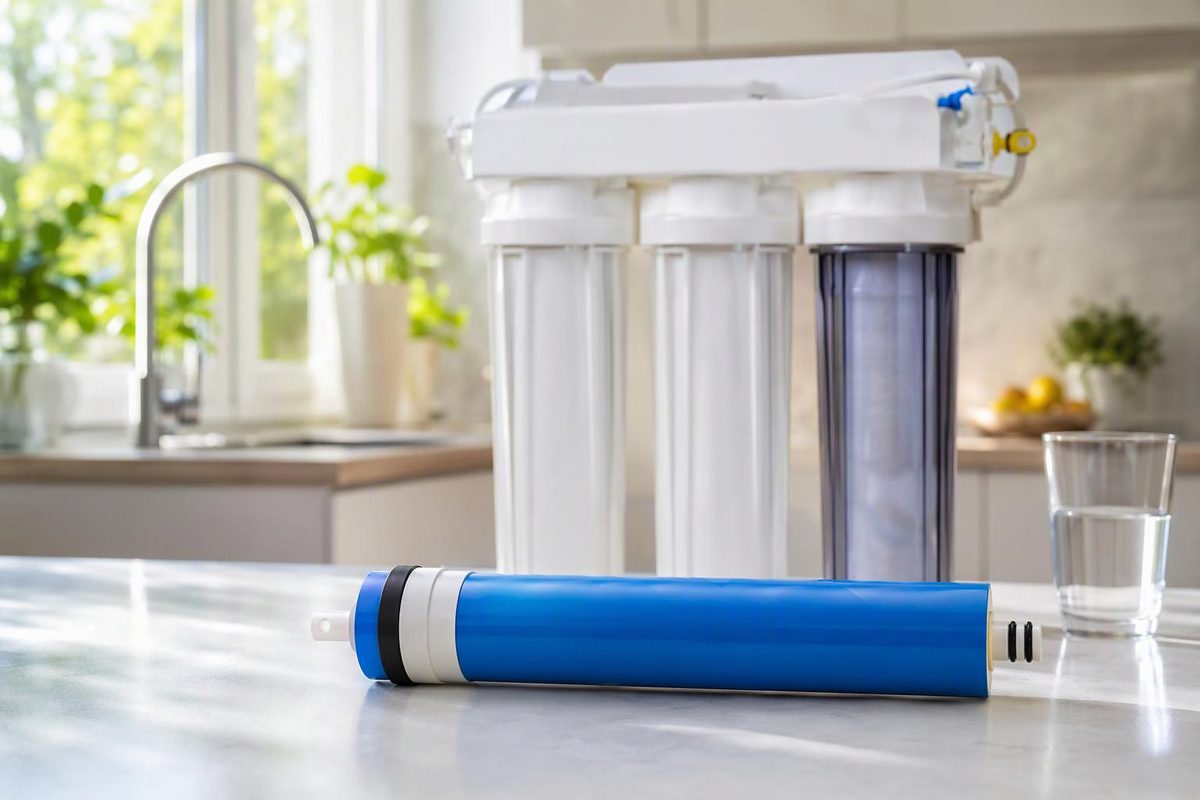
RO Membrane Filters: GPD, Rejection and Replacement
Match an RO membrane by fit, GPD and operating limits; then use comparable TDS readings and the system manual to judge replacement.
How to Tell If You Have Hard Water: Test, Read and Confirm
Check for scale and soap problems, then confirm total hardness in mg/L or grains per gallon. Use the result to decide whether treatment is worthwhile.
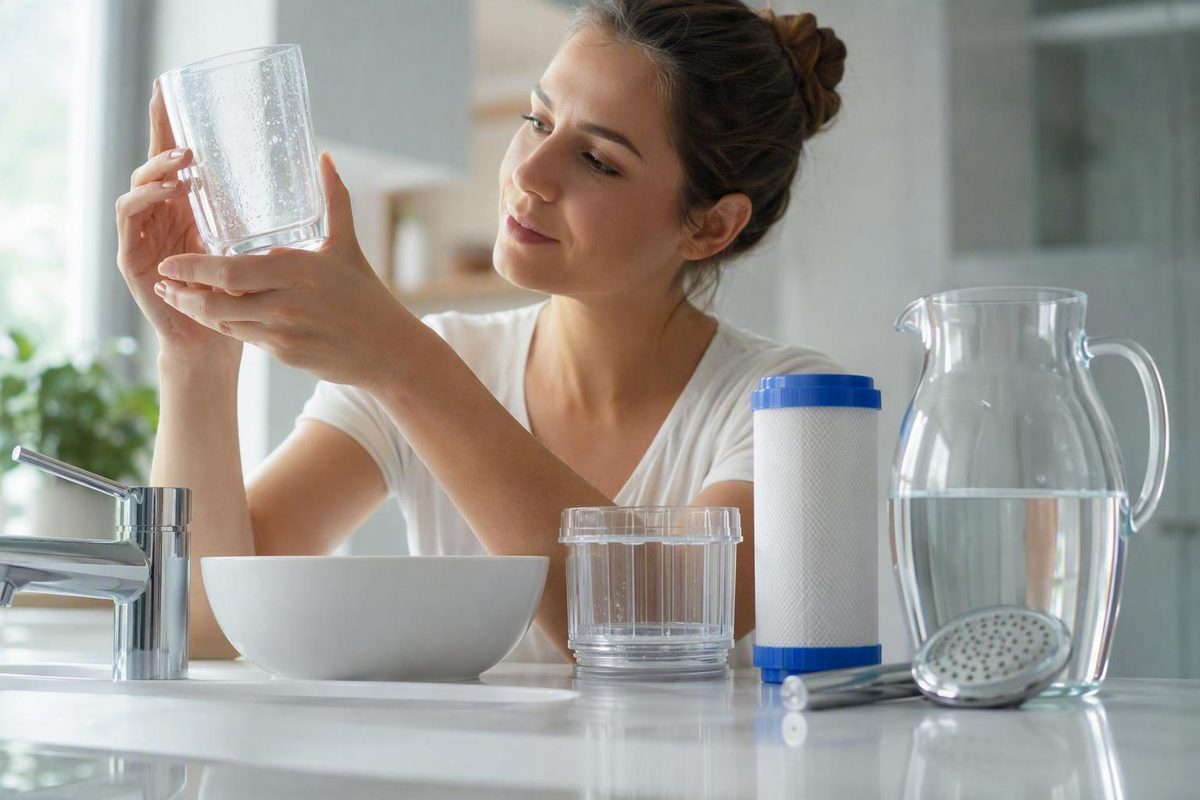
Why Is My Hot Water Cloudy? Use the 3-Minute Glass Test
Cloudy hot water that clears from the bottom up is usually trapped air. Use a 3-minute glass test to distinguish bubbles from heater debris.
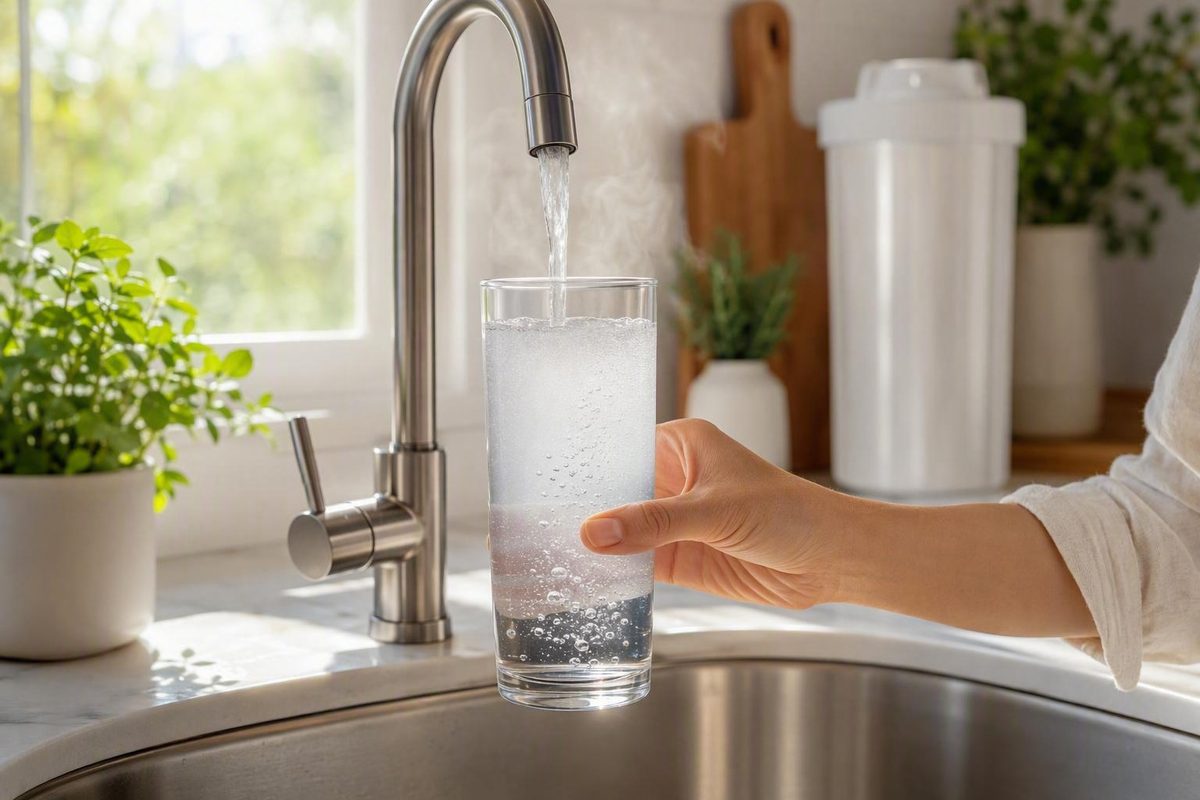
Coarse Filtering: Micron Ranges and Filter Selection
There is no universal micron cutoff; selection depends on the material, solids load, required flow, rating method, maintenance and downstream treatment.

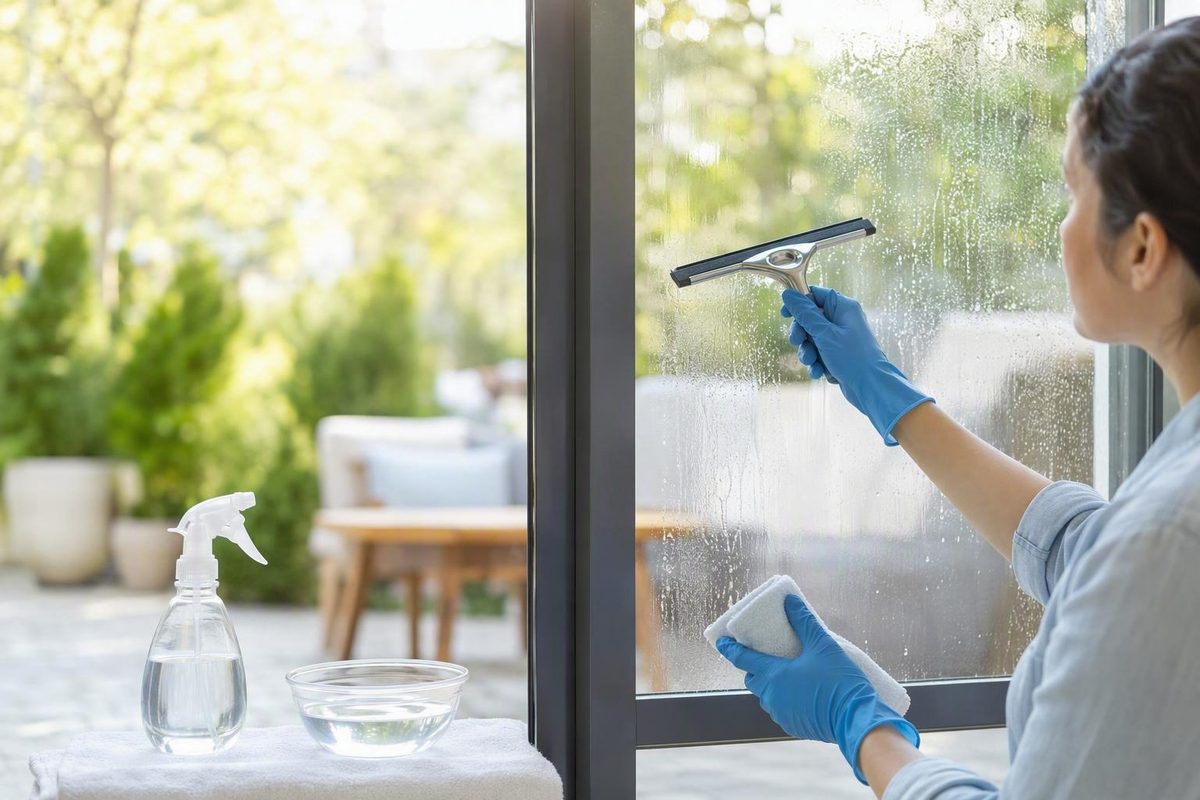
How to Get Hard Water Stains Off Windows Safely
If vinegar is permitted, use a 1:1 vinegar-water mix in the shade for 5–10 minutes, keep it damp, then rinse thoroughly and squeegee dry.
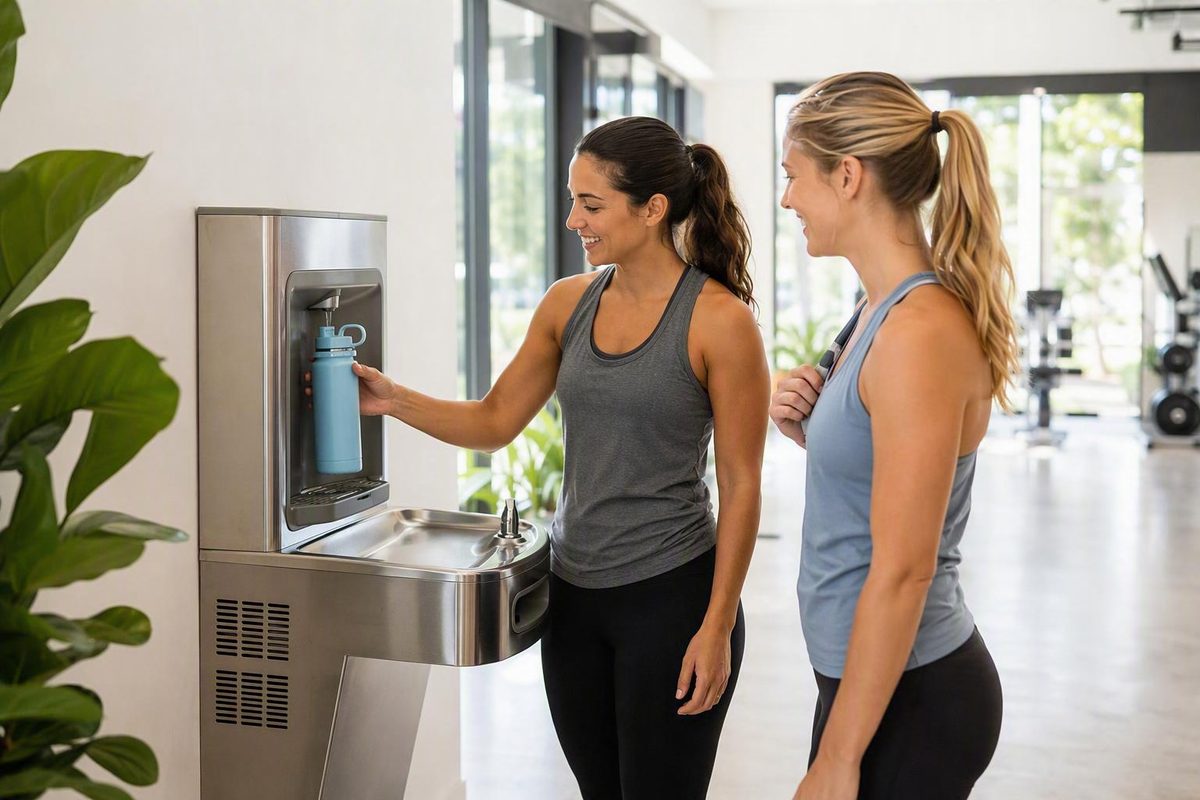
How to Choose a Bottle-Filling Water Fountain
Decide whether drinking fountains are required, match filtration and chilling to demand, then verify mounting, plumbing, drainage, power and accessibility.
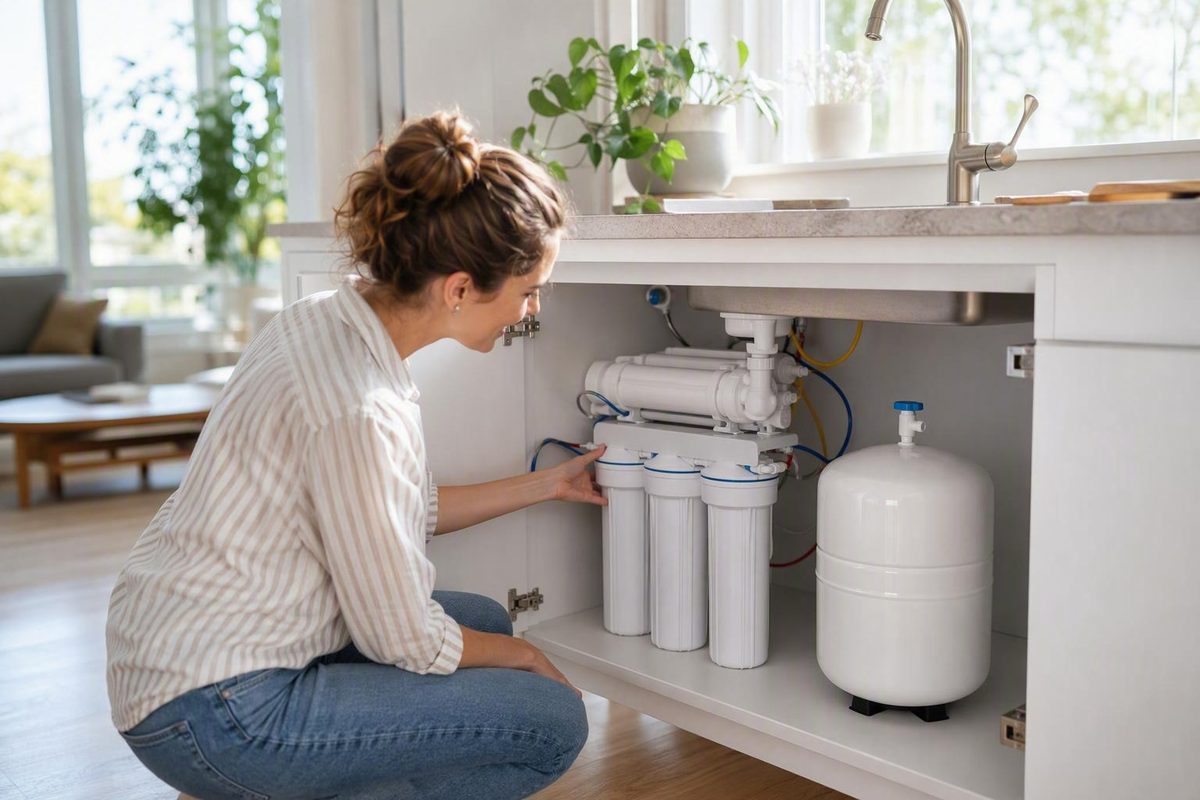
Reverse Osmosis: How It Works and When It’s Worth It
Its value depends on your water problem, the exact system’s verified performance, and whether you accept its water use, installation and upkeep.
Tea Filters: Choose by Type, Size and Mesh
Compare paper pouches, metal baskets, tea balls, fabric bags and pour-through strainers by vessel fit, leaf size, cleanup and care.

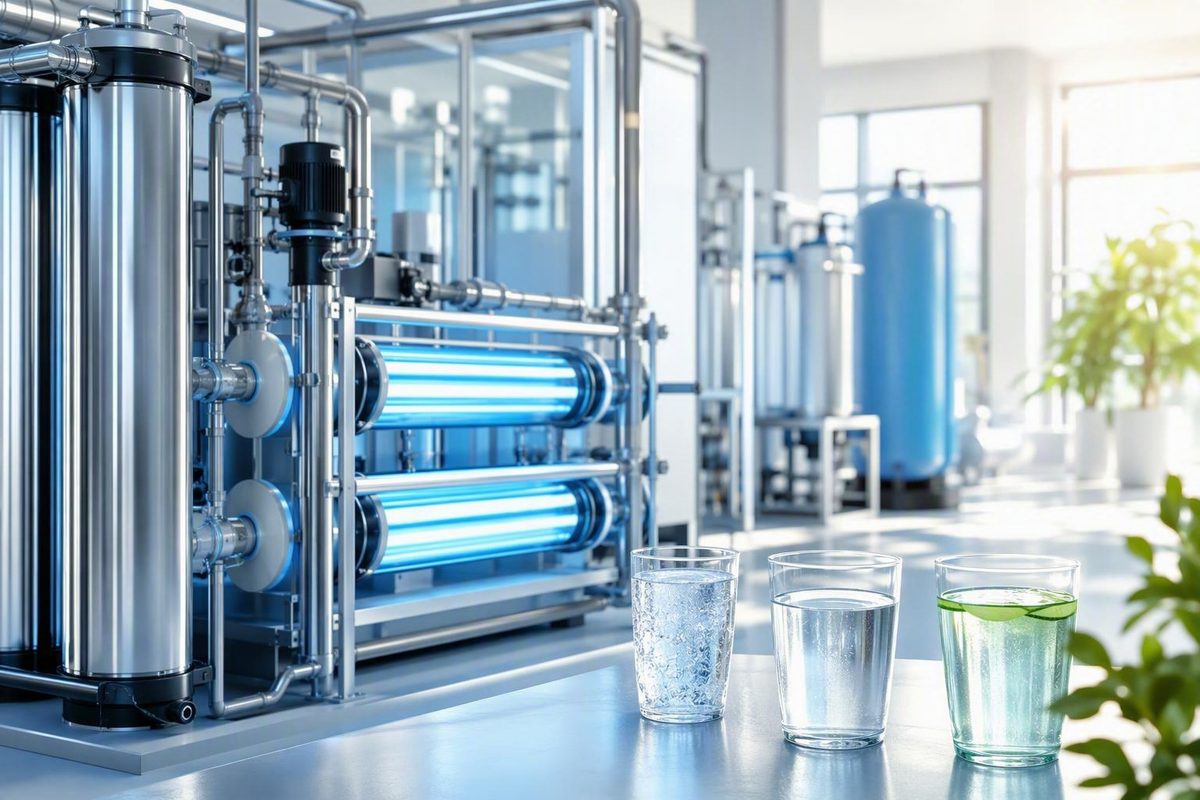
Commercial UV Water Treatment Systems: Sizing
Base selection on peak flow, minimum UVT and exact-model validation, with checks for pretreatment, controls, maintenance and lifecycle cost.
Screen Filtration: Selection, Sizing and Maintenance
Match aperture to particles and downstream tolerance, then verify effective area, pressure-loss curves, solids load and cleaning requirements.
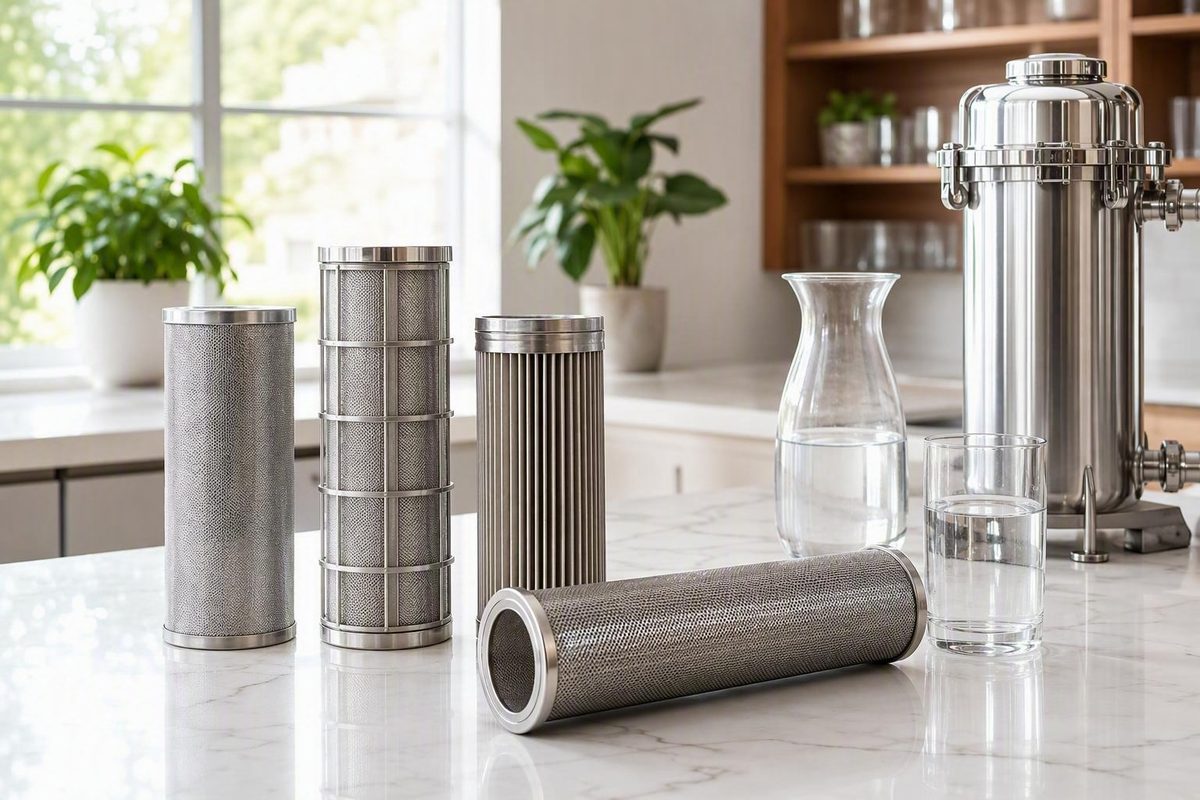
Deionized Water for an Ultrasonic Cleaner: Uses & Risks
Best as a specified concentrate diluent or clean final rinse; use it alone only when the soil, workpiece, tank and cleaner instructions permit.
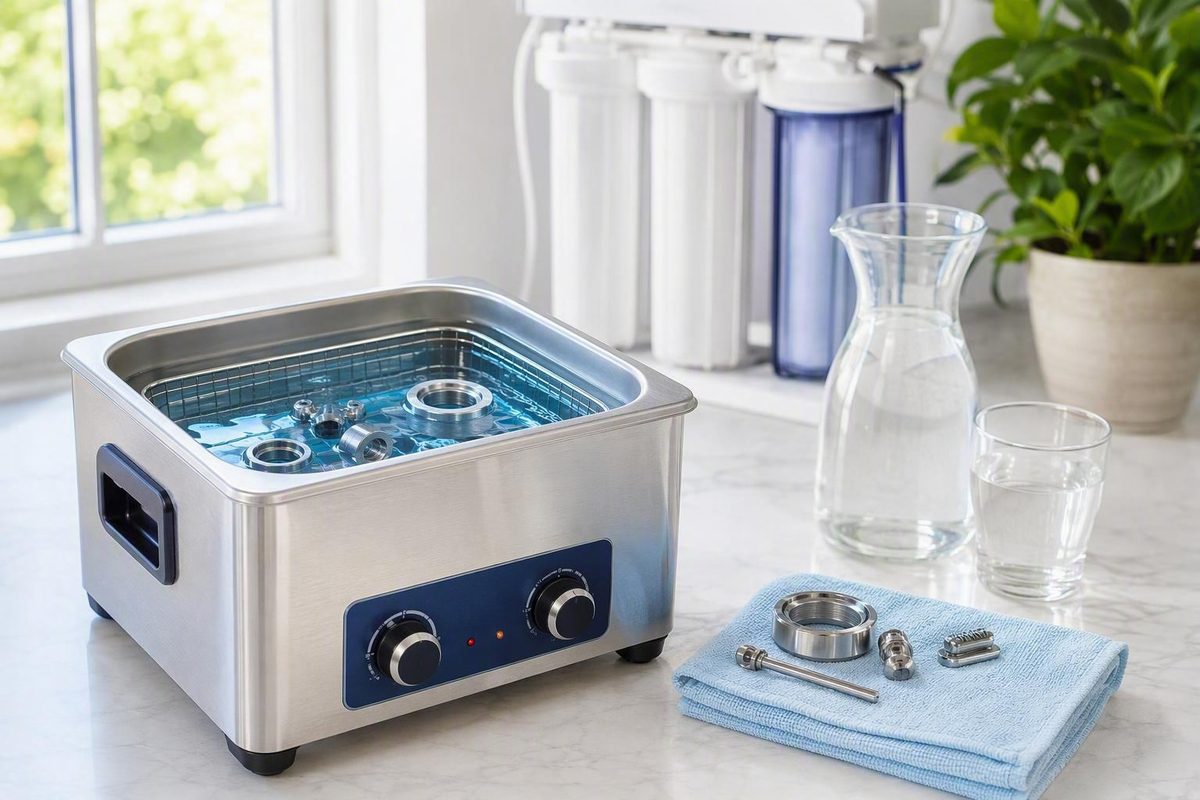
Do Water Filters Really Remove Microplastics?
Some filters reduce tested microplastics, but federal tap-water data are missing. Compare filter claims with measured kitchen plastic exposures first.

Should You Filter Water During Lead Pipe Replacement?
A city lead-pipe program does not set your home's date. Learn when to keep filtering, verify NSF/ANSI 53, and decide when precautions can end.

Carbon Filter for Well Water: Testing, Types, Sizing & Limits
By Erik Sandoval, water-treatment technician · Updated August 31, 2026
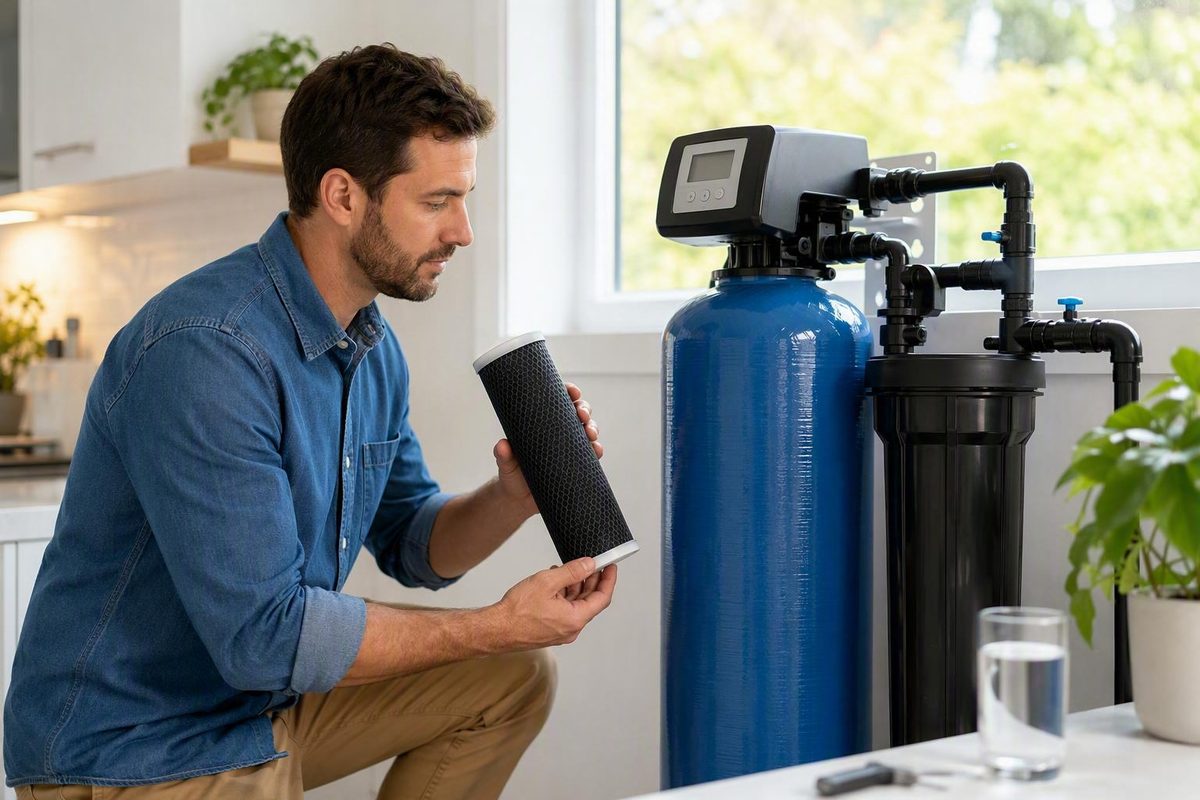
How Long Do Berkey Filters Last? Capacity & Replacement Guide
Commercial Berkey retailers commonly report a theoretical capacity of up to 3,000 gallons—approximately 11,350 liters—per Black Berkey element. On that basis,…
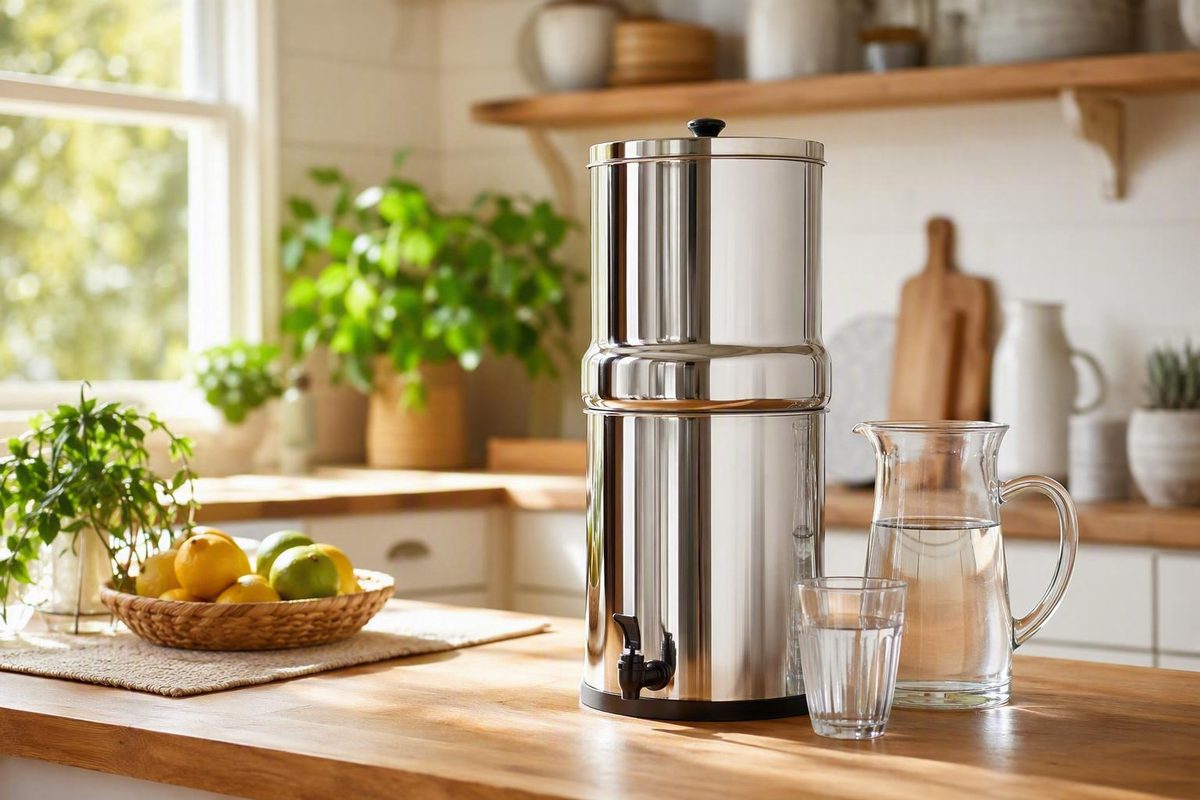
Does Brita Remove Nitrates? What Works Instead
Standard Brita pitchers lack a nitrate-reduction claim. Learn how to verify RO, anion exchange, or distillation against your water test.
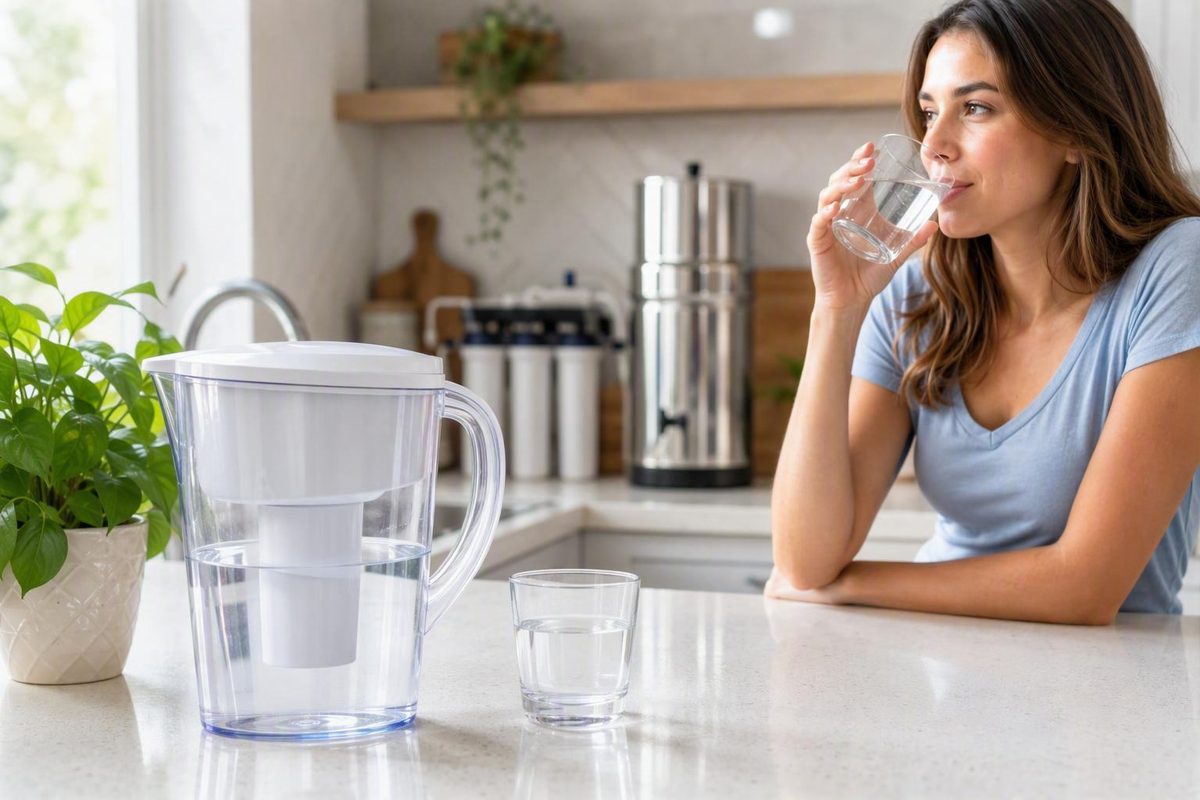
Ninja HydraSense vs Brita Hub: Cost and Certifications
Compare certified contaminant claims, 12-month filter costs, controls, and counter fit to choose between Ninja HydraSense and Brita Hub for your tap water.
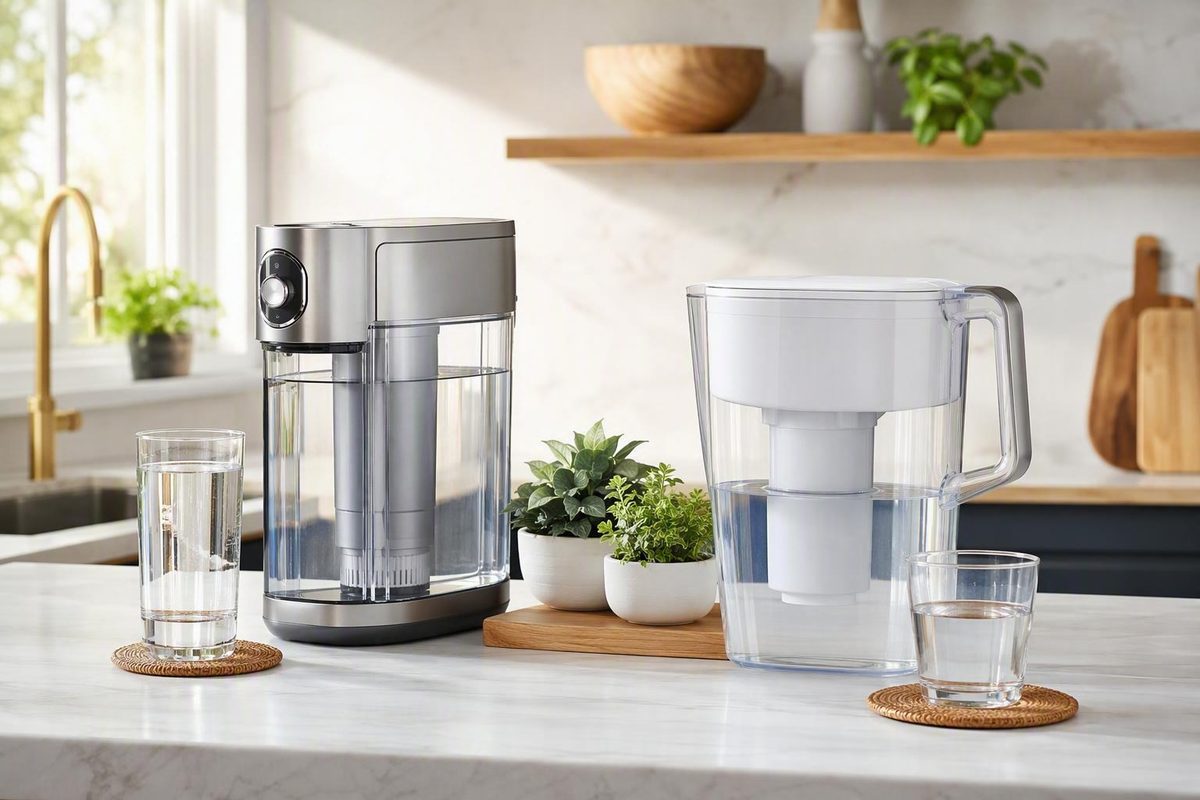
Water Filter for GenX and PFHxS: Claims That Work
Compare PFAS filter claims for GenX and PFHxS, decode NSF/ANSI 53 and 58 listings, and verify the exact model as federal rules change.
Tannin Water Filter: How to Test, Compare and Size a System
Tea-colored well water may indicate tannins, but color alone cannot tell you which treatment system to buy. Iron, manganese, sediment, and combinations of…
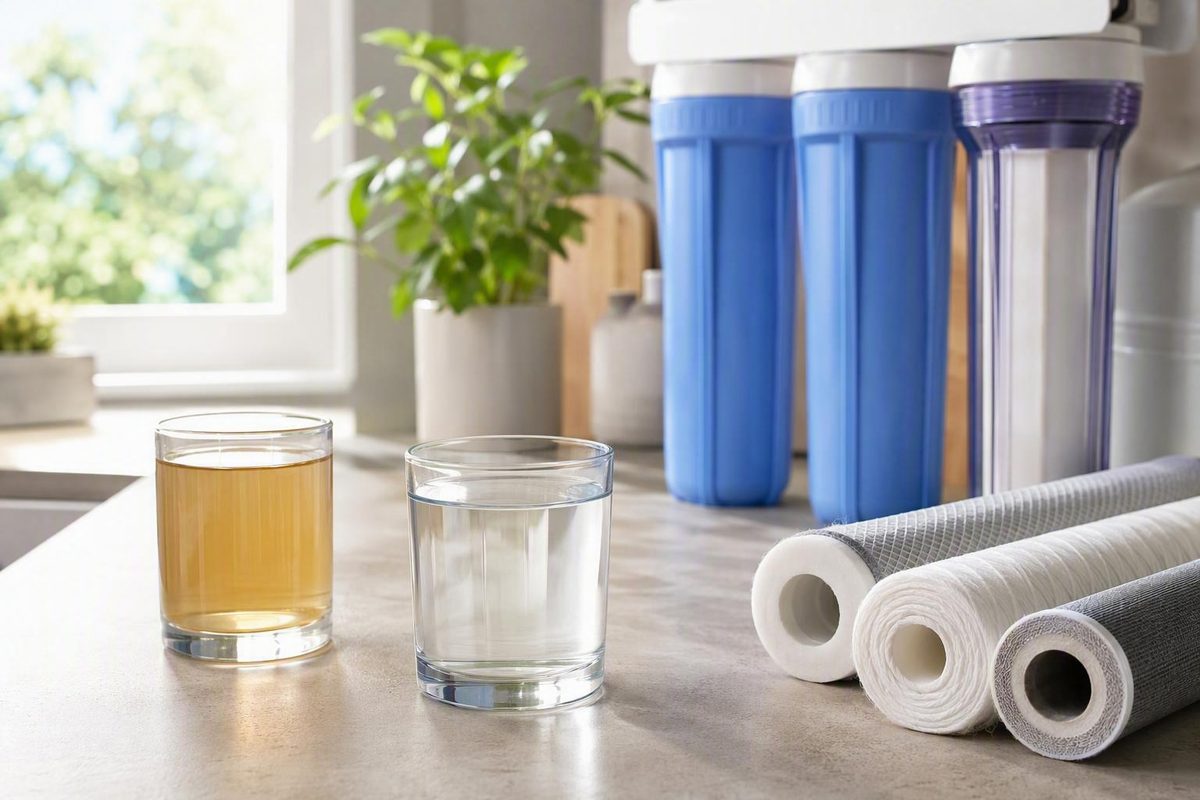
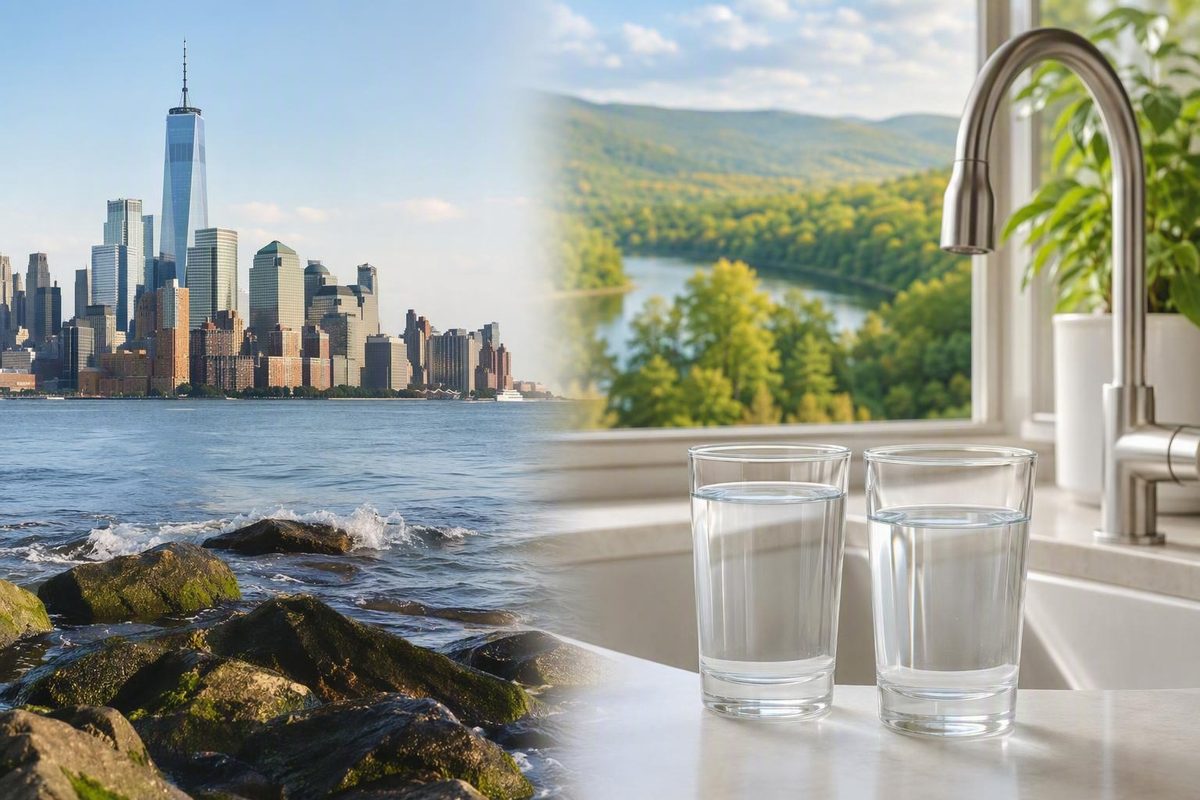
Does New York Have Hard Water? The Source Decides
NYC is generally soft to moderately hard. The classification can change with the use and blending of Catskill/Delaware and Croton water.
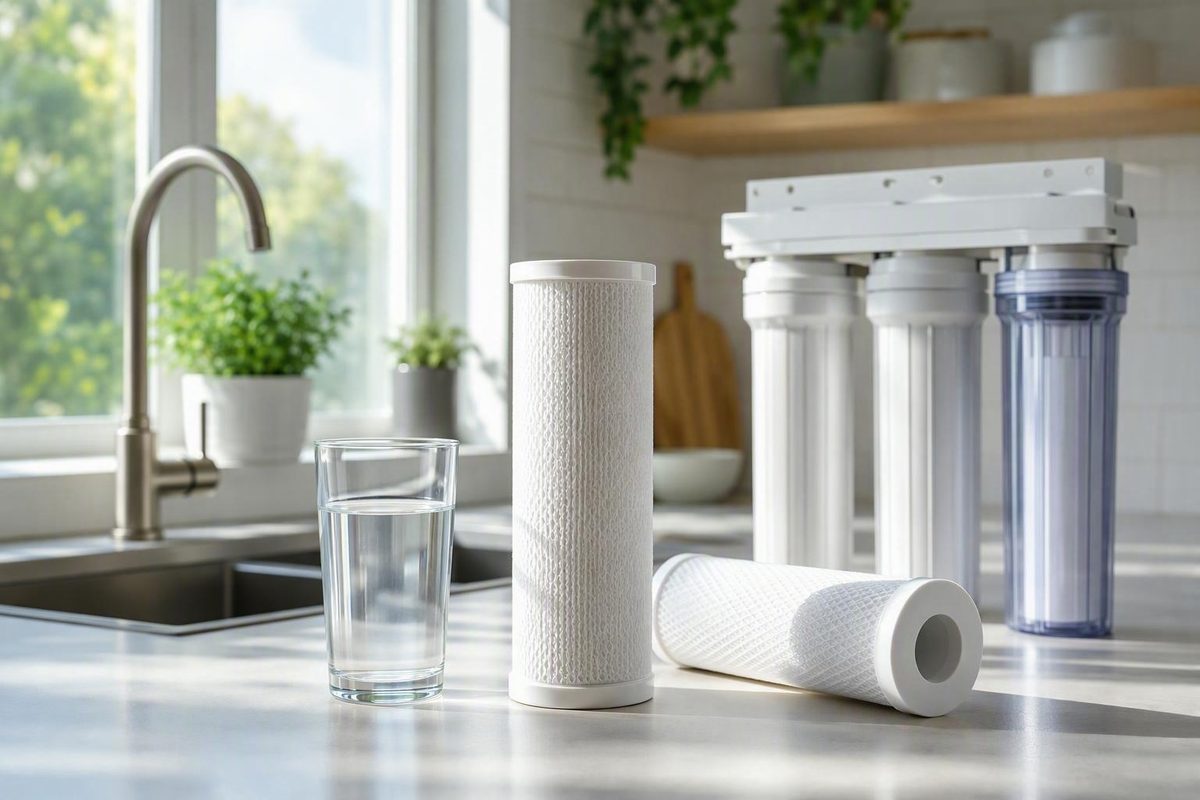
5-Micron Water Filters: Nominal vs. Absolute
Two cartridges labeled 5 micron can still capture different amounts of sediment, making the label alone an unreliable way to compare products.
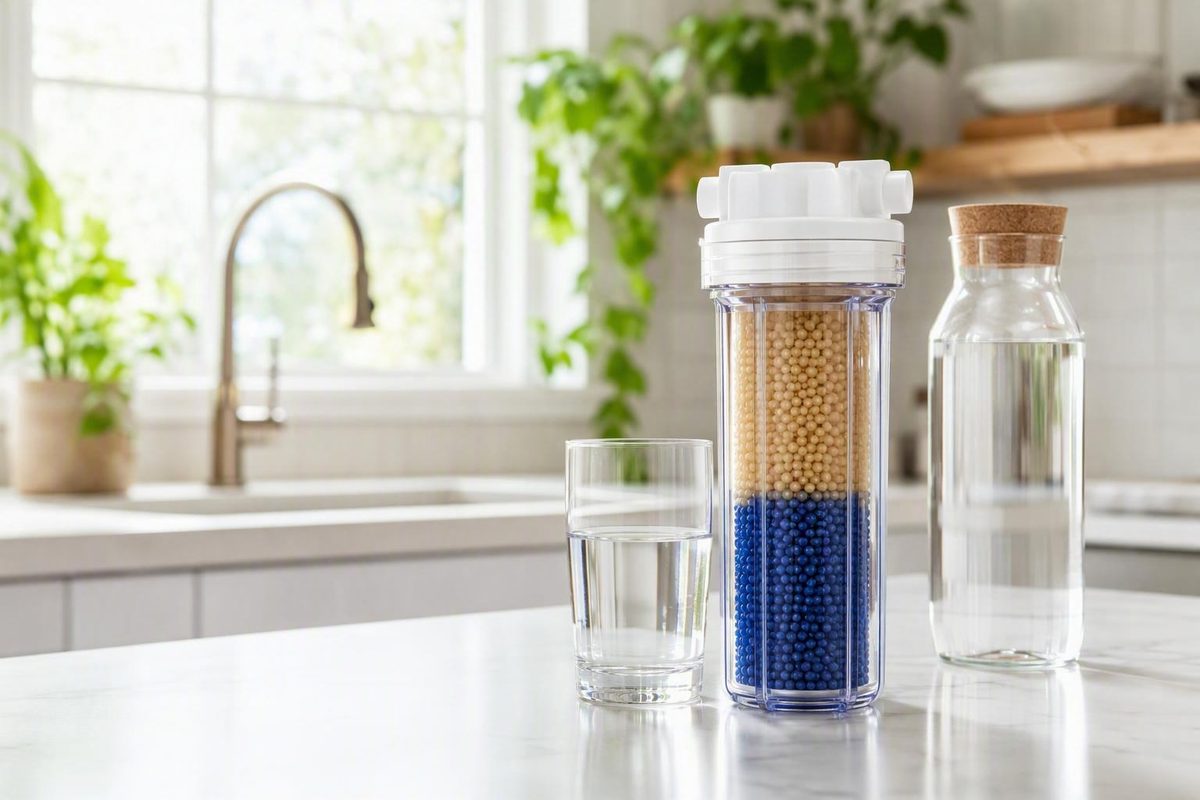
DI Resin: How It Works but What It Misses
Resin life is not a fixed number of gallons or months. Replace or service it when confirmed output exceeds your application's limit.
No Guides Found.
Try a broader search or clear the topic.