
Improve What You Brew
Settle how water treatment, filtration, and handling will affect clarity, flavor, and serving.
Brew Quality
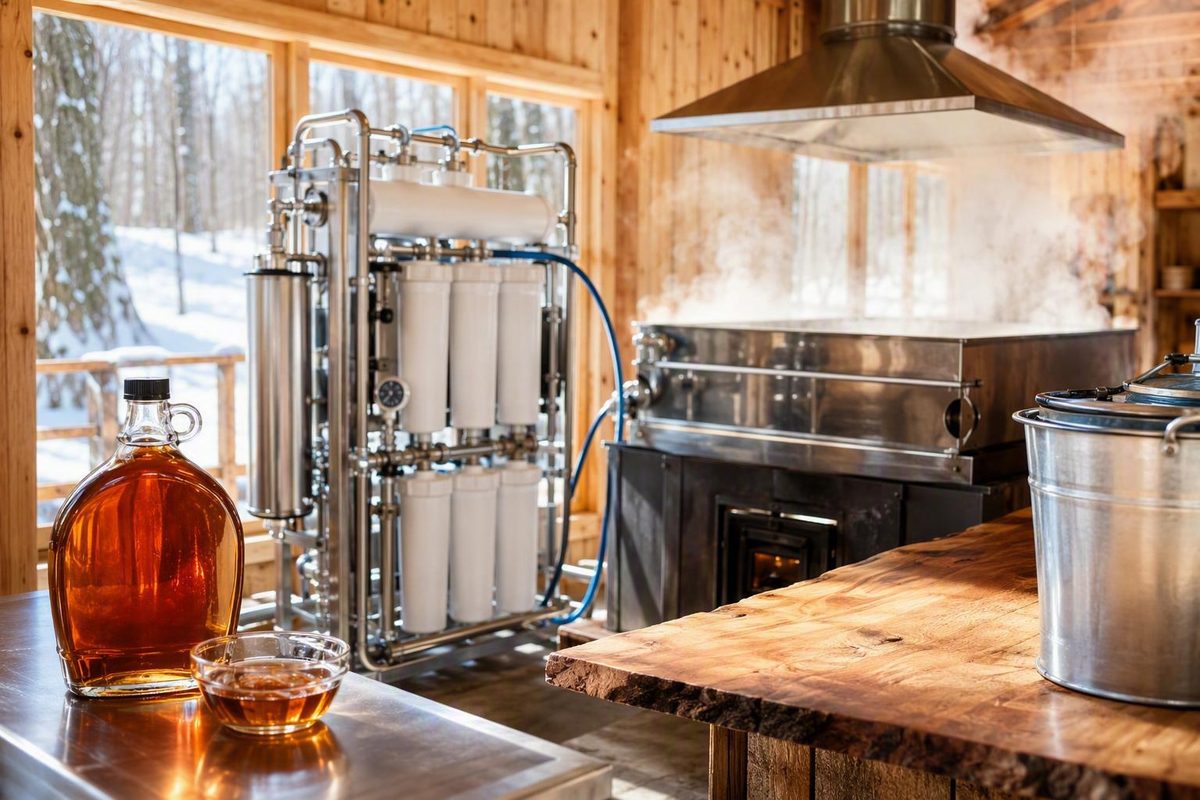
Is Reverse Osmosis Worth It for Maple Syrup?
Output can fall from 6 GPH to 3 GPH as Brix rises and miss the processing deadline. The useful benchmark is measured cold-sap permeate, not nominal GPD.
How to Filter Homebrew Beer Based on Haze Type
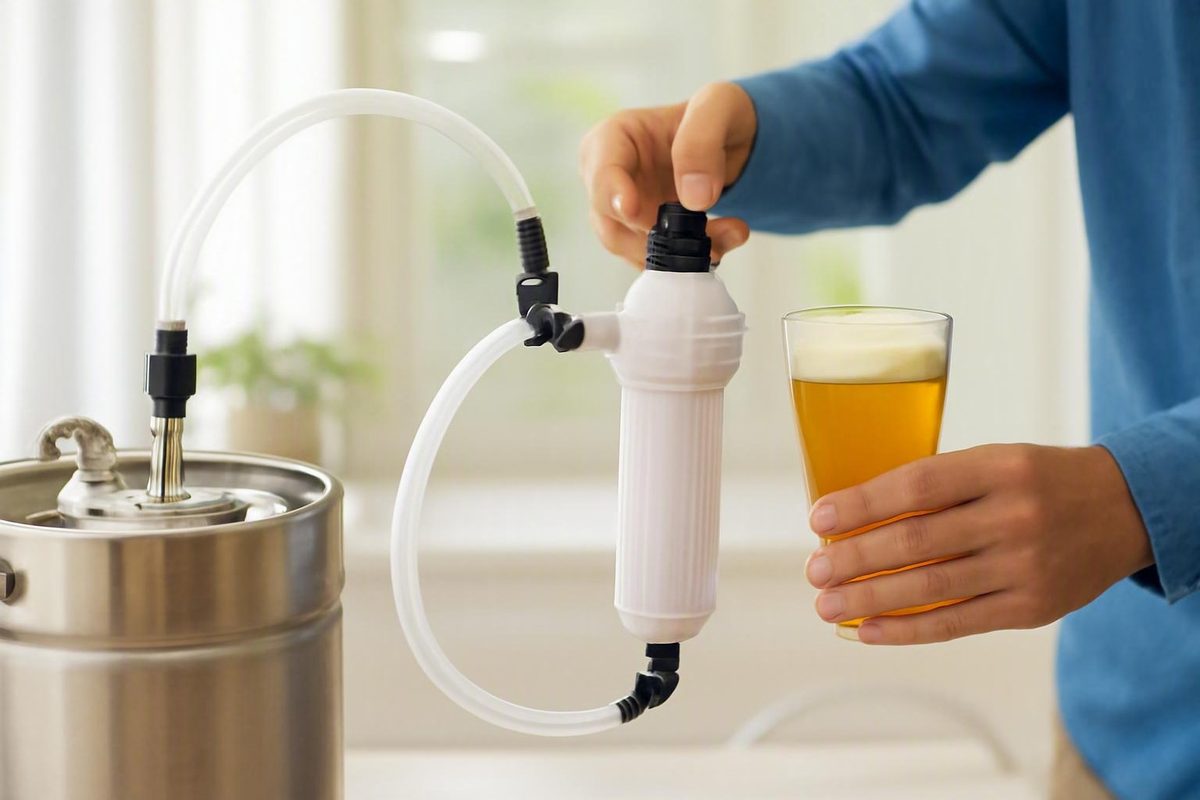
For kegging, finish fermentation, settle and chill the beer, then pass it through a beverage-compatible filter into a purged keg before carbonation.
How to Fill Your 1/2-Barrel Keg by Valve Type
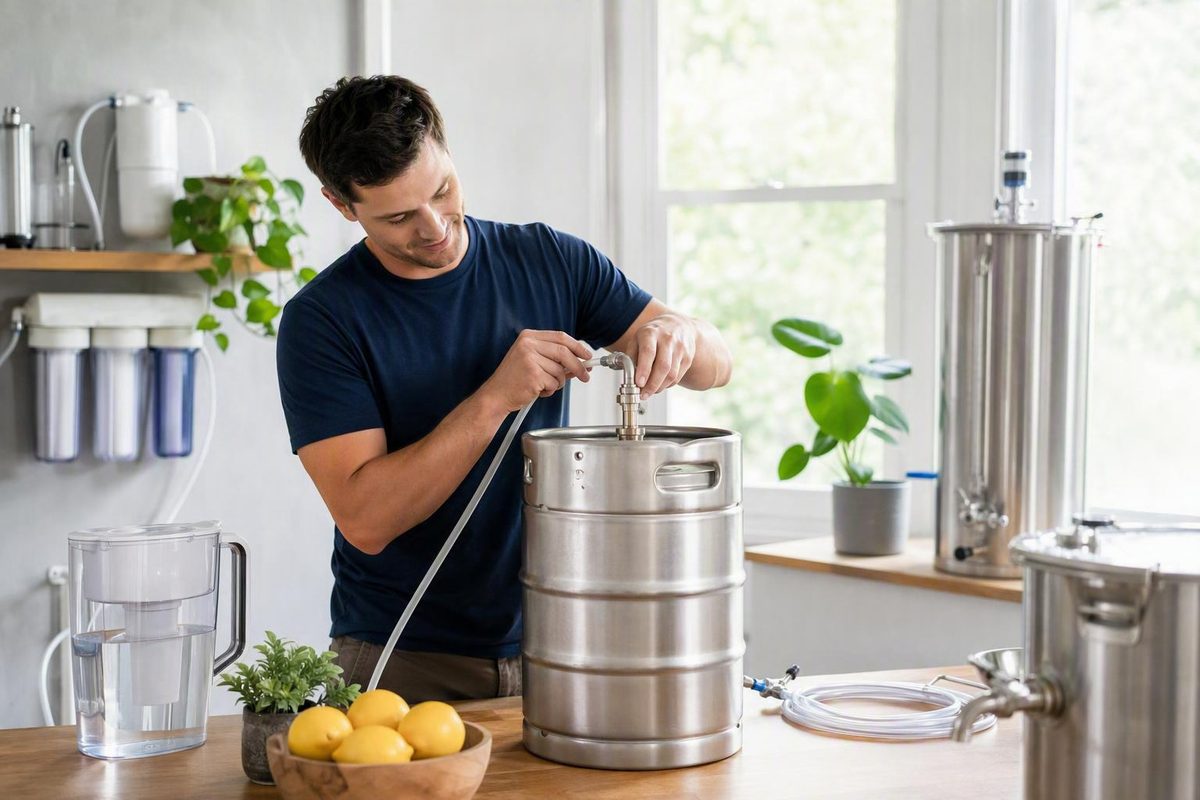
The supported Sanke method uses a matching coupler and pressure-rated fermenter; removable-lid kegs follow another workflow. Fill by weight and retain headspace.
Press Filter Options and How They Change Coffee
A standard 30-40 mesh screen stops grounds but lets fine sludge and coffee oils through. Compare that cup with double-screen and paper options.
EPA PFAS Guidance Withdrawal: Do You Need a Filter?
EPA withdrew industrial wastewater-permit guidance, not household-filter advice. Use local PFAS results and the exact model’s certified claim to decide.
Is Tonic Water the Same as Carbonated Water? No
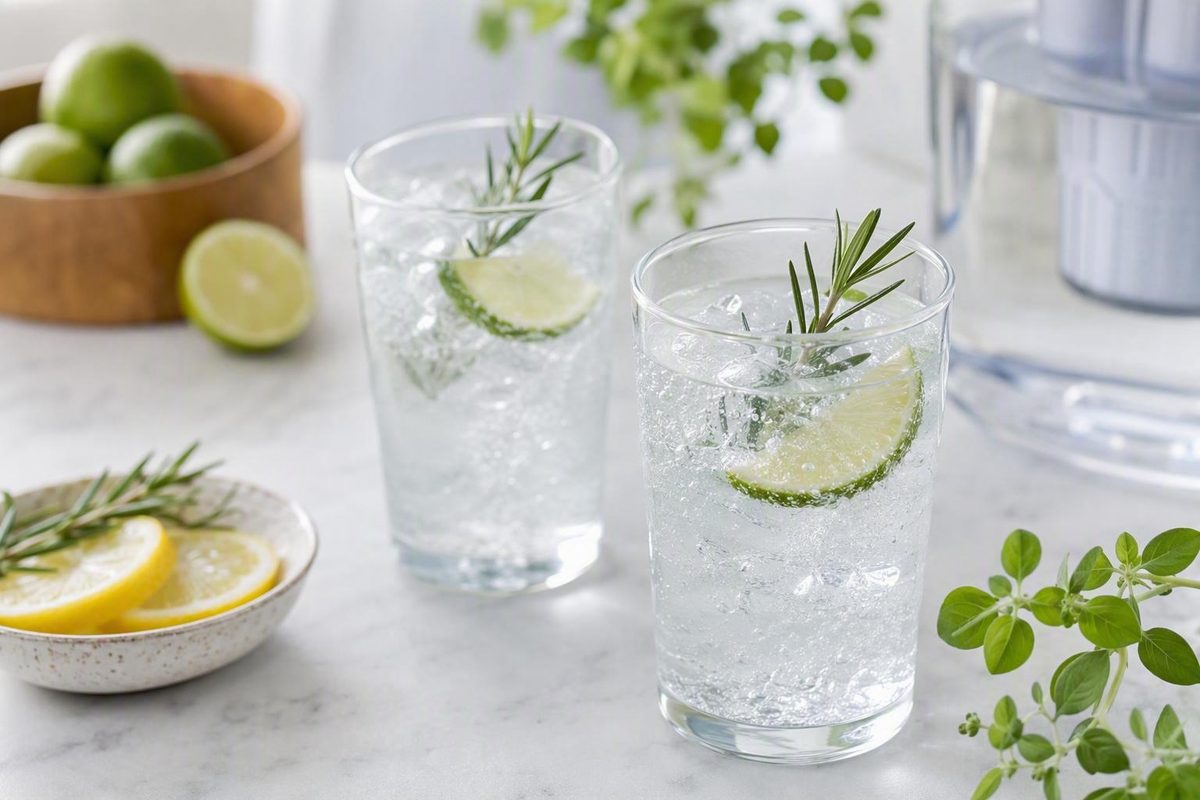
Tonic is carbonated but adds quinine and usually a sweetener; swaps keep the fizz but can change the drink’s flavor and calories.
What Does a 4-Vessel Brewhouse Do?
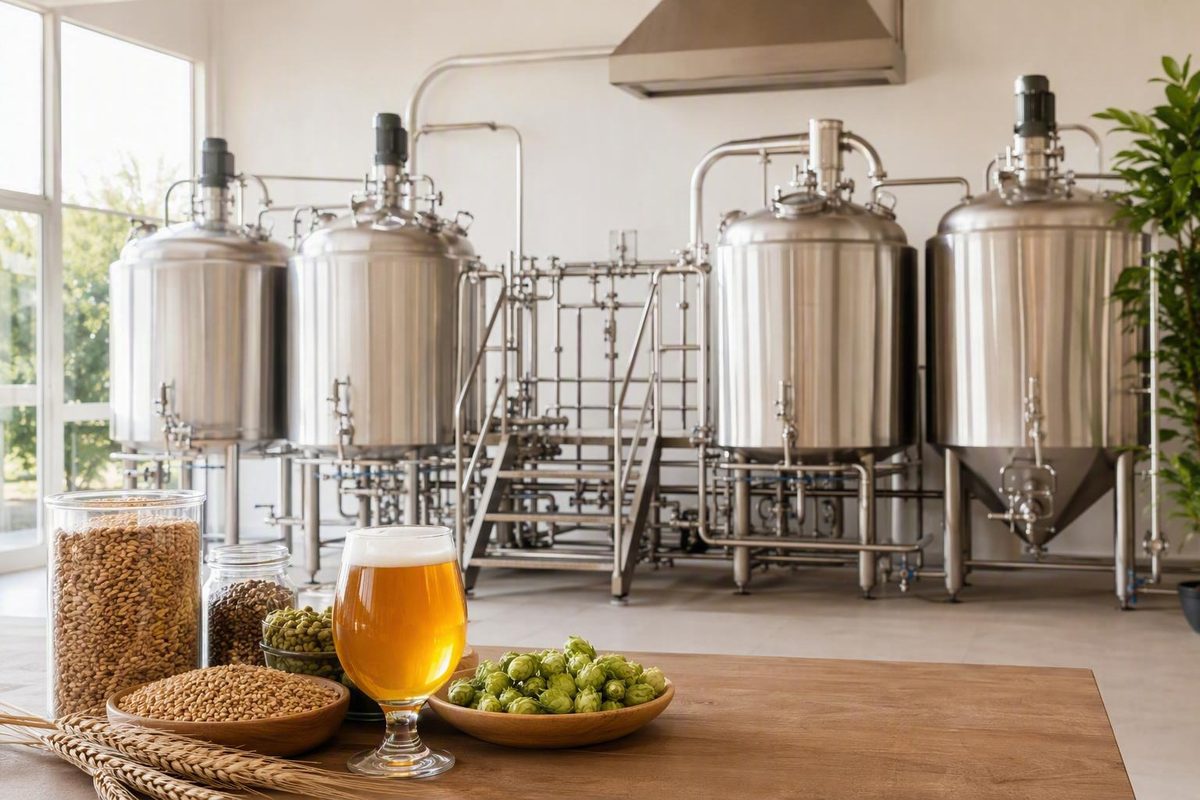
It makes wort through separate mashing, lautering, boiling and whirlpooling stages; fermentation happens later, and output depends on more than vessel count.
Filtered Coffee Caffeine per Cup: Range & Factors
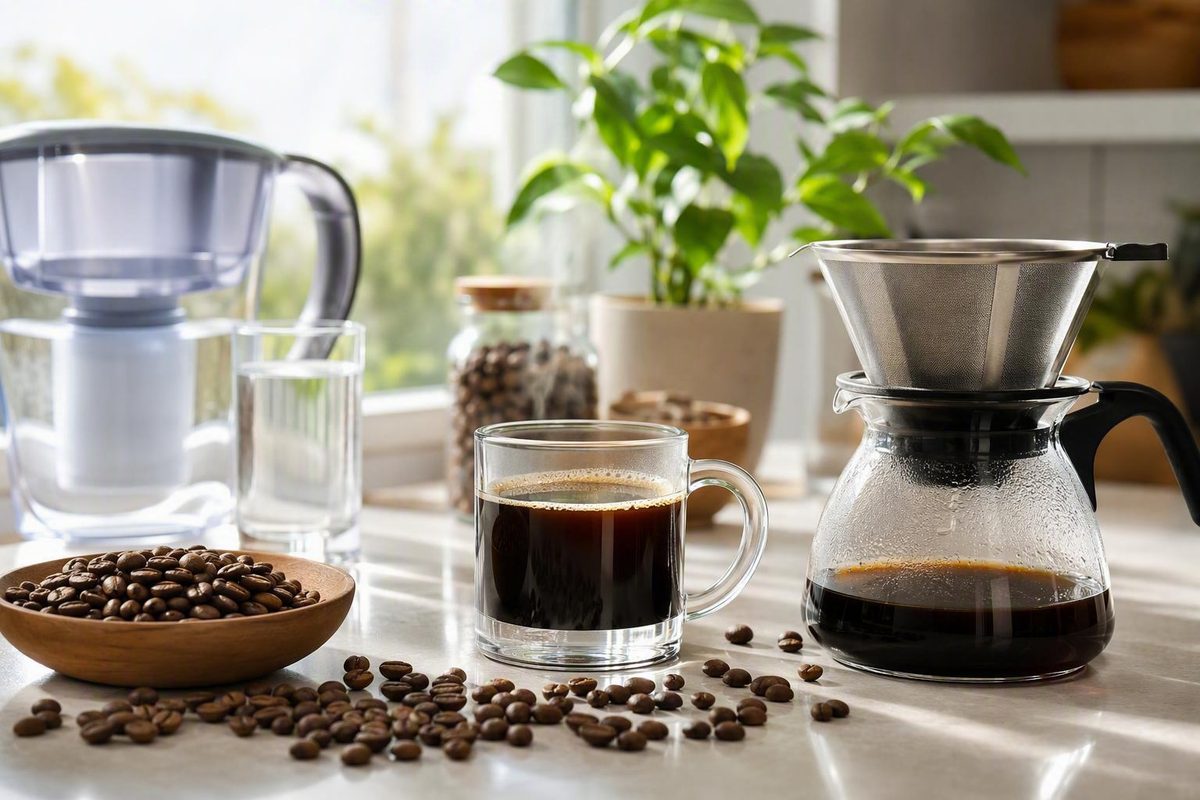
Published estimates span 70–175 mg per 230–250 ml; use 95–145 mg for planning, then adjust for grounds, bean species, volume and recipe.
Filtered Water for Kombucha: How to Choose and Treat Brewing Water
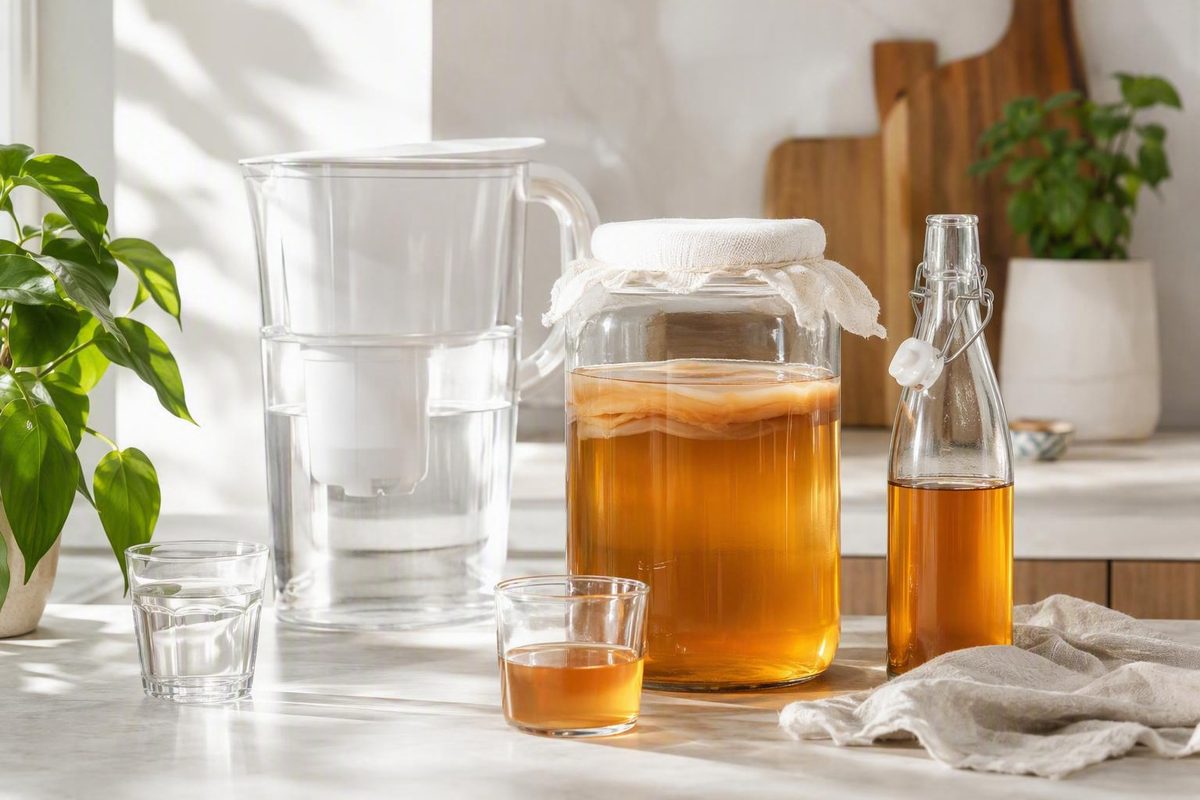
Filtered tap water is generally suitable for kombucha, but filtration is not universally required. Potable tap water may also be usable when you know how the…
Glycol Chiller vs Fermentation Chamber
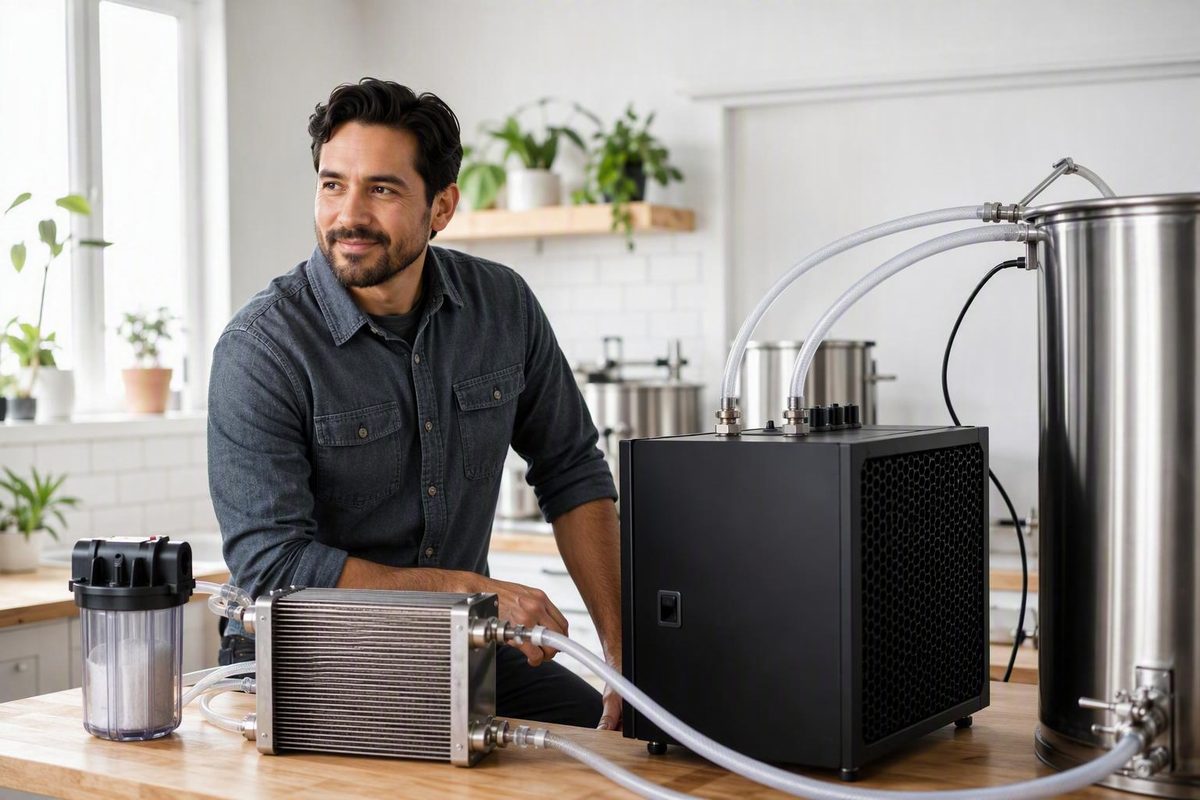
Glycol fits better when two or more batches need independent schedules, a conical cannot pass through an appliance door, or a cold crash overlaps fermentation.
How Long It Takes to Make Beer by Style and Packaging
Budget about four hours to brew, 1-2 weeks to ferment and condition, two hours to bottle, then 1-2 weeks for natural carbonation.
No Guides Found.
Try a broader search or clear the topic.