
Fix a Water Problem
Settle what is wrong with the water and which treatment mechanism can address it.
Water Problems
Why Water Tastes Like Metal and How to Trace the Cause
Taste alone cannot identify a metal or show whether water is safe. If unrelated sources and foods taste metallic, your sense of taste may have changed.

Tannins in Water: What Color Can and Cannot Prove
A sudden post-storm change calls for testing and evaluation of the source, not simply a stronger color-removal filter.

Sand Filter Parts: Identify the Component Before Ordering
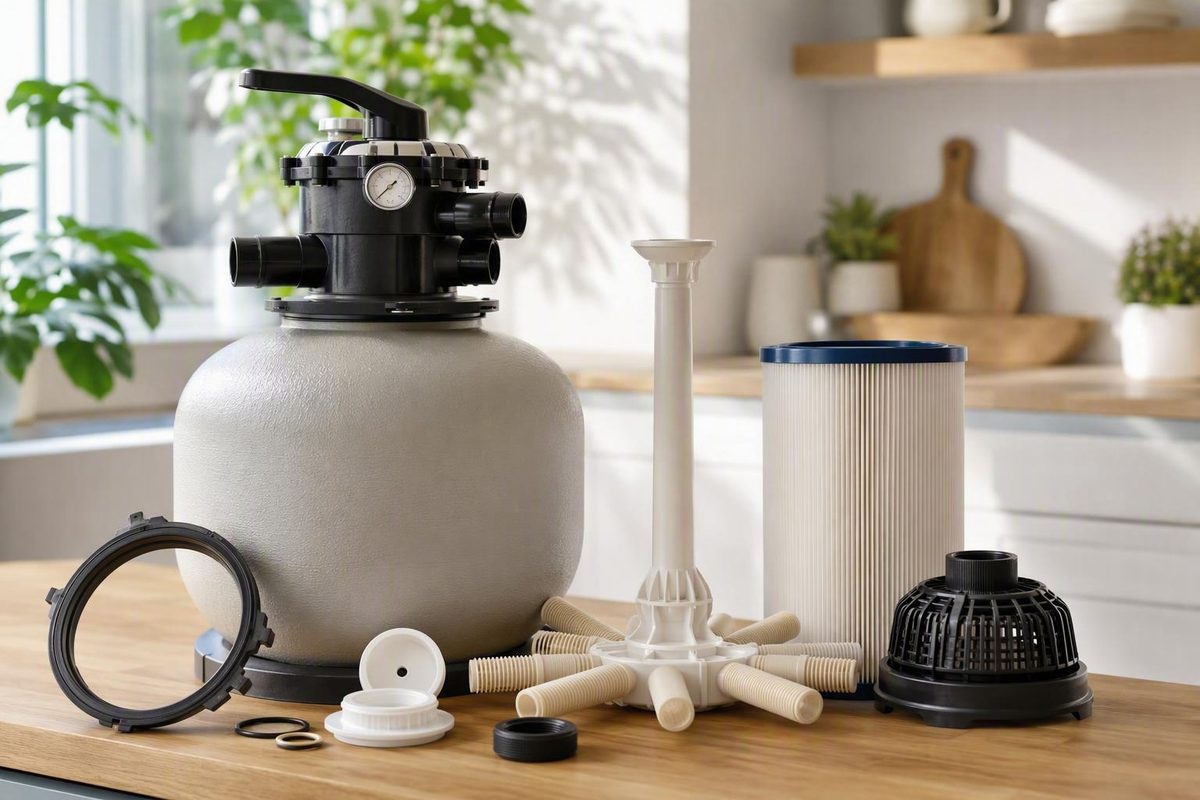
Identify a pool sand filter’s valve, laterals, standpipe, seals and drain from the exact model diagram. Similar-looking parts may not fit.
Ultraviolet Light Disinfection Is Application-Specific
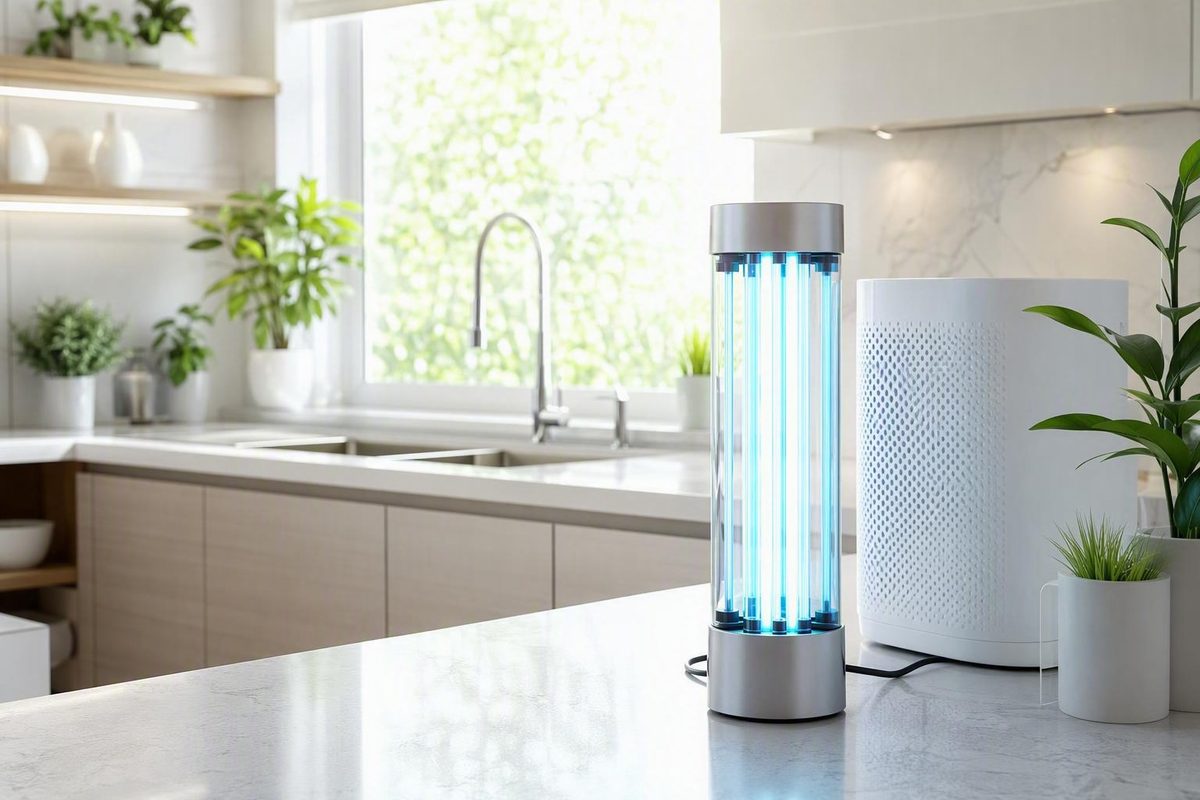
UV can inactivate susceptible microbes, but doubling lamp distance can require about four times the exposure in an ideal point-source example.
8 KDF Filter Checks: Uses, Limits and System Fit
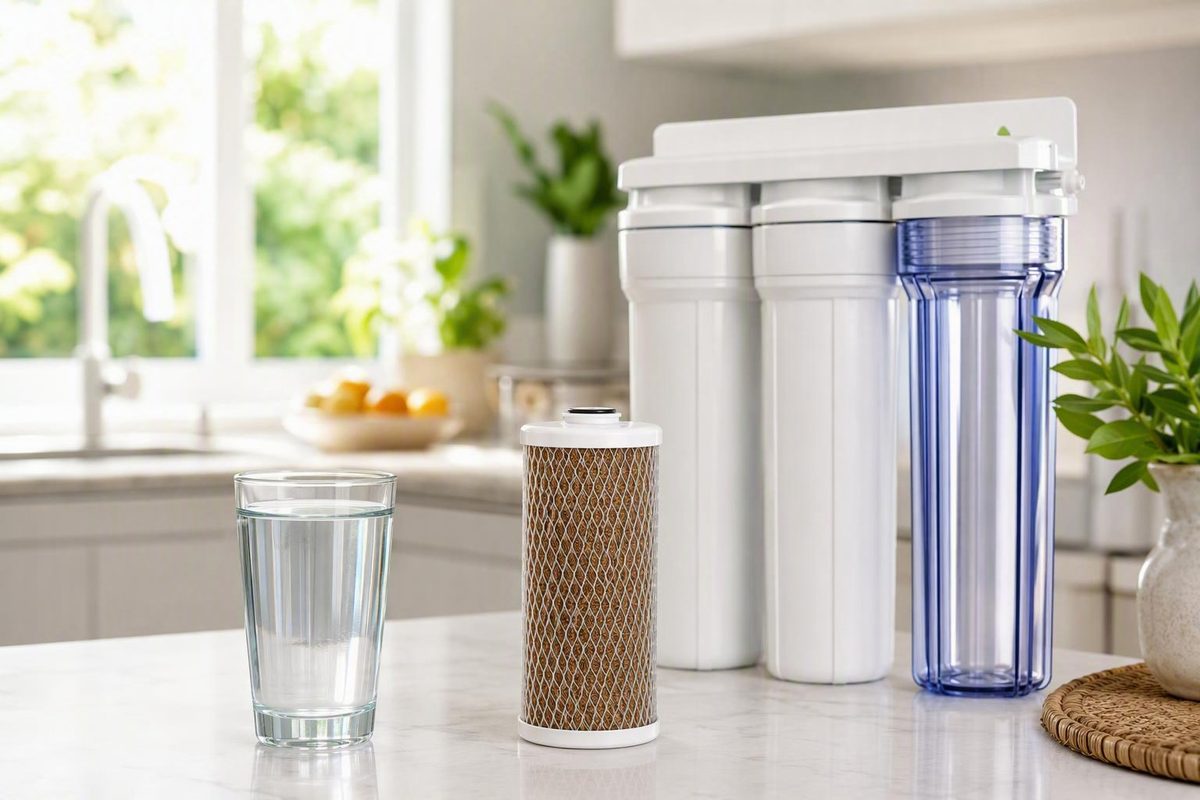
KDF can be useful when its formulation matches a measured water problem and the system supplies enough media, contact time, service flow and backwash capacity.
Does Boiling Remove Chlorine? The Type Matters
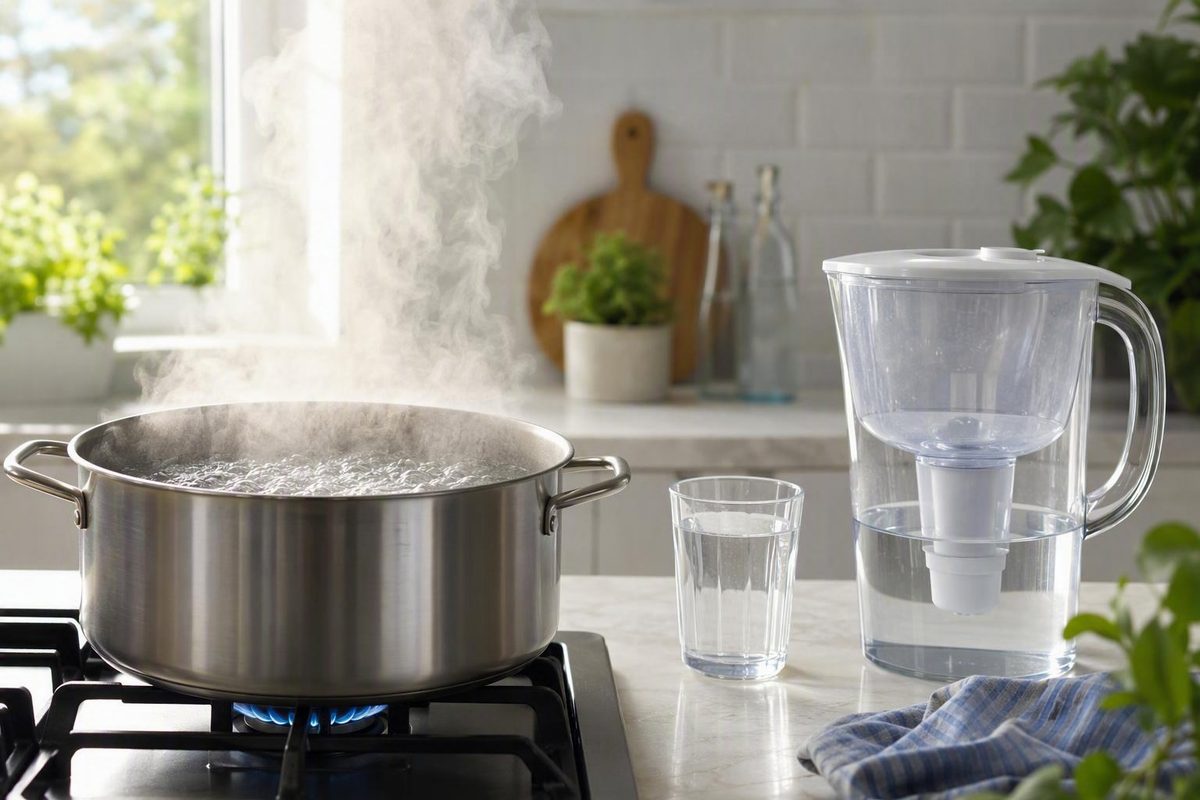
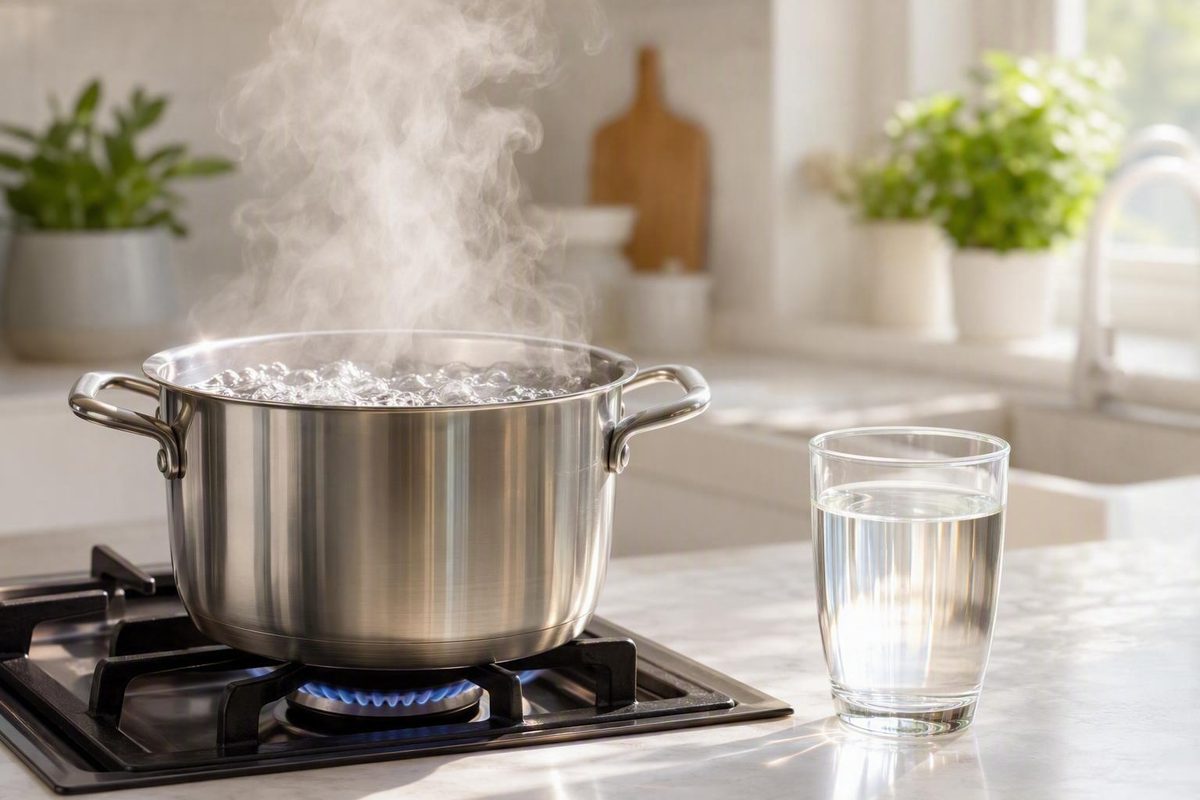
Fifteen minutes may reduce free chlorine and improve chlorine-related taste, particularly in a wide, uncovered vessel, but it does not guarantee complete removal.
Do Fridge Water Filters Remove Fluoride? The Model Decides
Most built-in cartridges target chlorine, taste and odor, not fluoride. Fluoride-specific evidence must match your household's actual operating conditions.
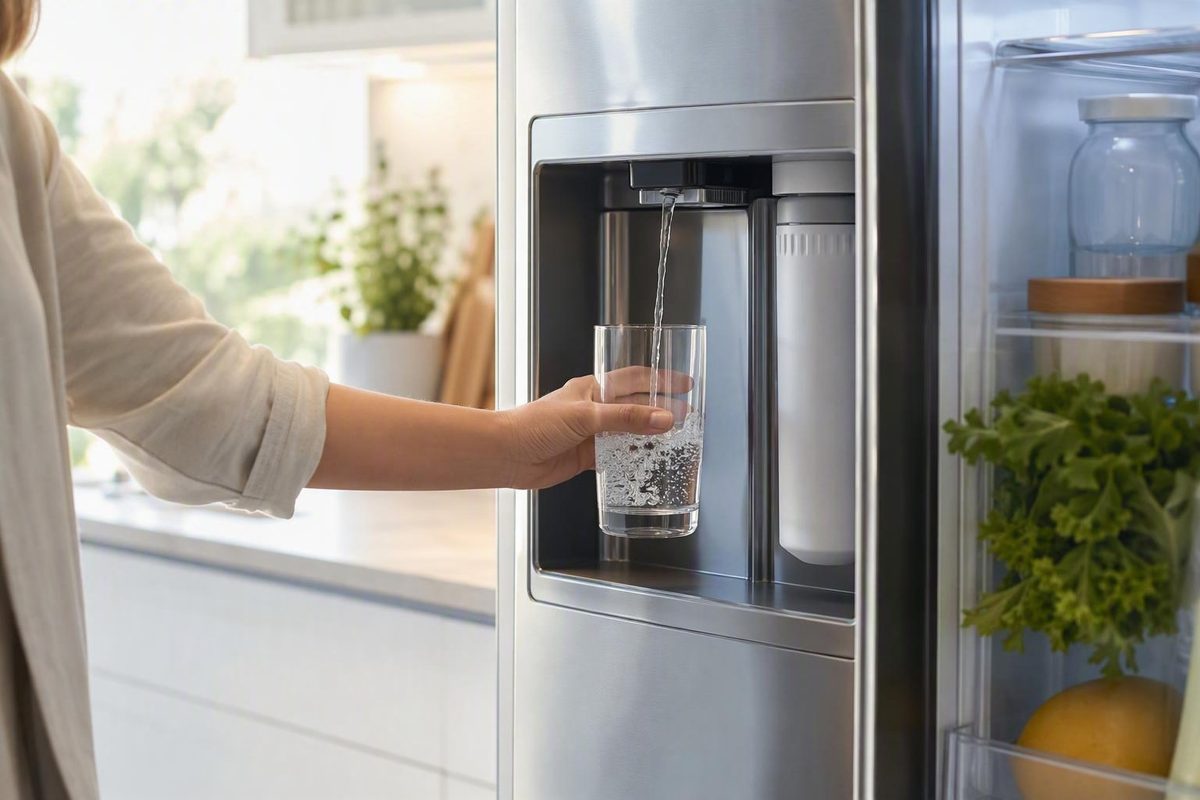
Do Refrigerator Water Filters Remove Fluoride? Check the Exact Model
Without an explicit fluoride claim in the exact model's performance data or certification listing, reduction is unproven. Fit alone is not evidence.
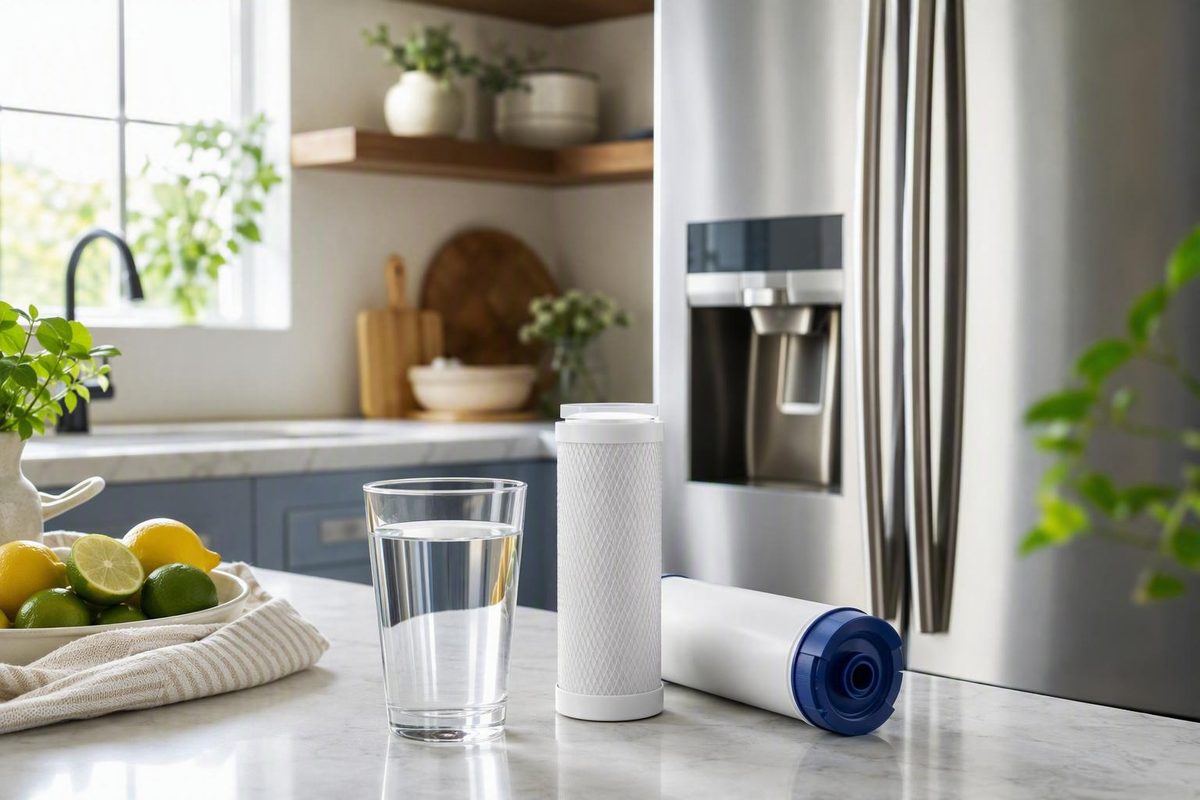
Best Home Water Filters: 3 Picks Matched to Your Water
Compare three home water filters by certified claims, capacity and installation—and learn when reverse osmosis or whole-house treatment fits better.
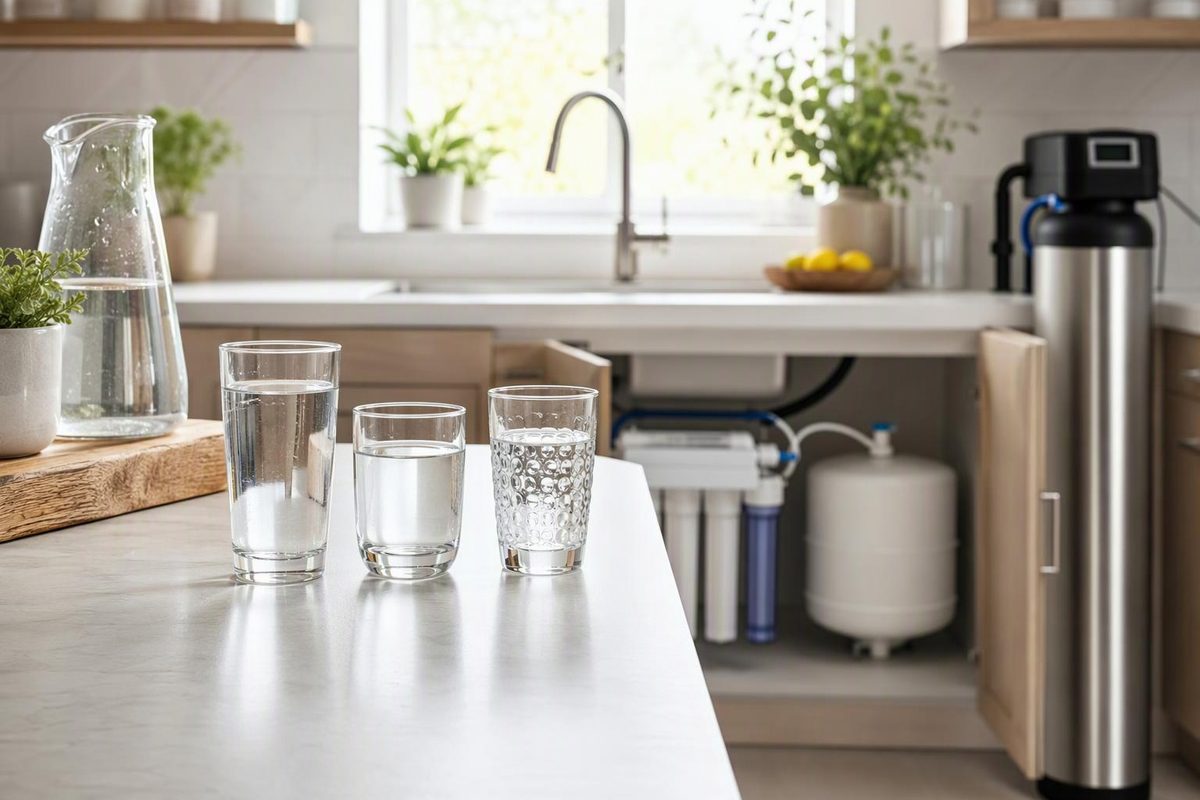
Is Shower Water Safe to Drink? What Decides
Do not drink it routinely unless the source and outlet are verified potable. Hot water, plumbing, advisories and private wells can alter the risk.

PES Membrane: Uses, Ratings & Selection
Micron ratings and MWCO answer different questions; compare wettability, format, compatibility, sterile claims, and integrity-test limits.

Typical RO Desalination Chemical Dosages: mg/L & ppm
Explains why 2–5 mg/L antiscalant is a budgeting range, how sulfite follows measured chlorine, and how chemical basis and stream affect pump settings.
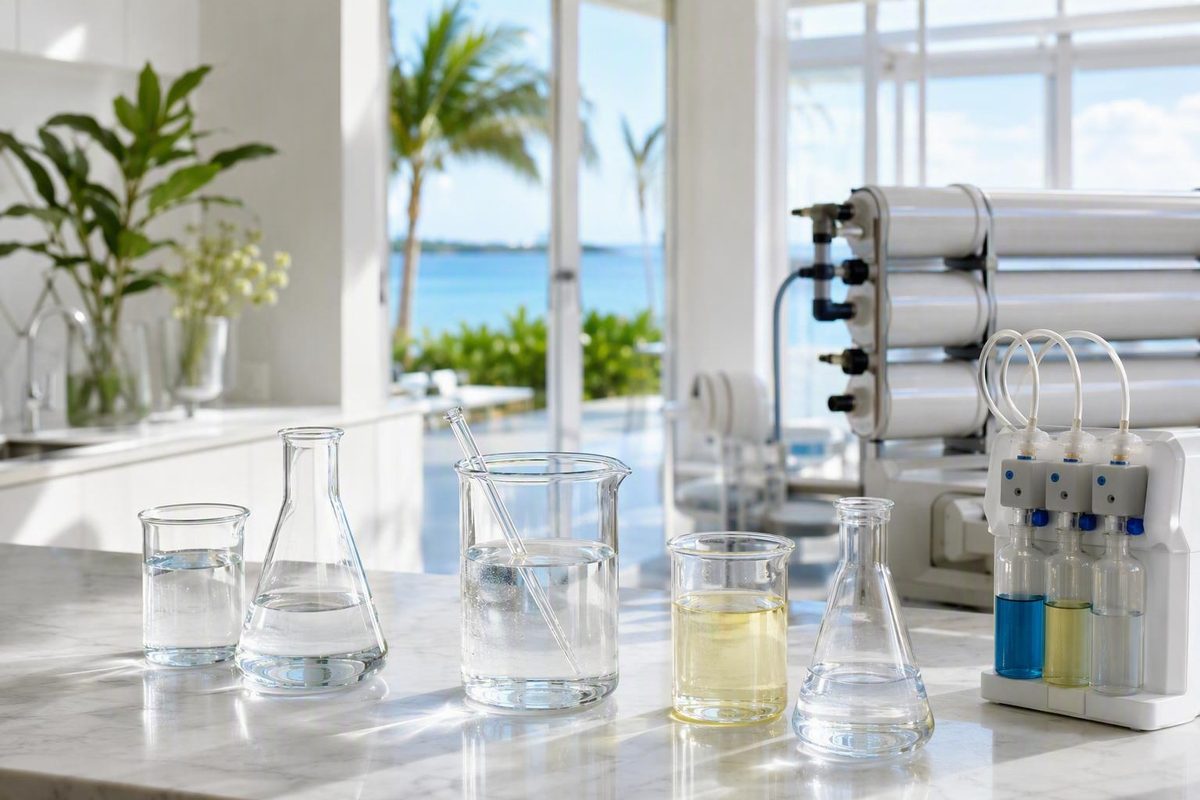
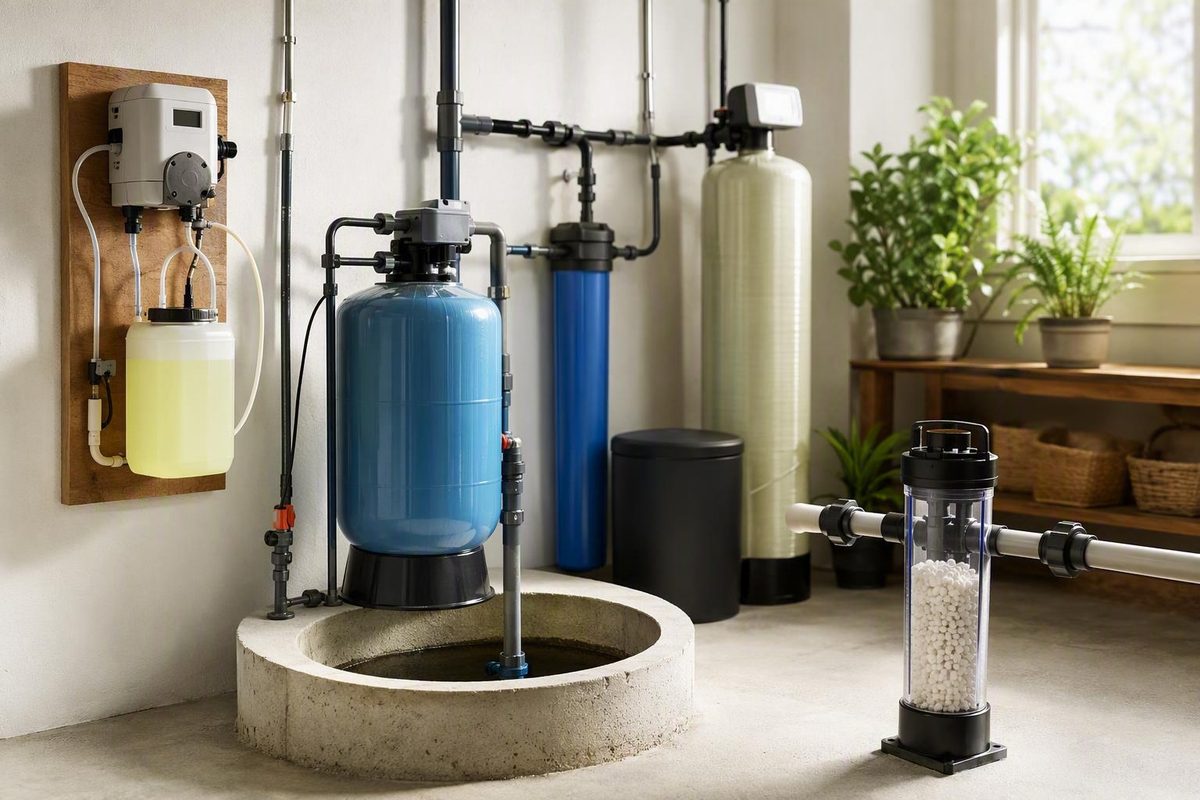
Chlorinator for Well Water: Types, Costs & Selection
Compare liquid injection, wellhead and in-line pellet feeders, including controls, compatibility, routine tasks, major limits and add-ons.
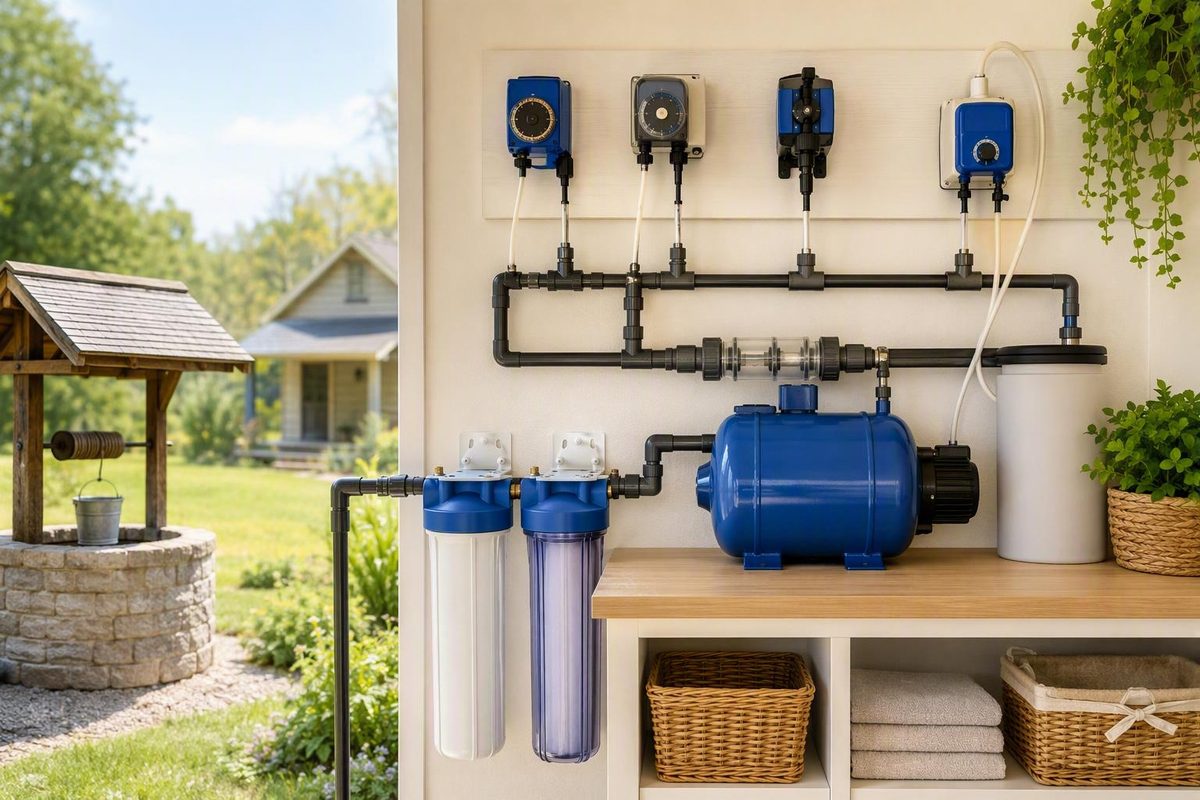
Best Chlorine Injection System for Well Water
Compare pulse-meter, pump-linked, flow-switch, and hydraulic dosing by flow, pressure, pump controls, contact time, filtration, and maintenance.
Spring Water vs Mineral Water: What Really Differs
Neither is automatically better. Compare each bottle’s source, mineral analysis, sodium, treatment, taste, price and quality evidence.
Does Your City Already Filter PFAS From Tap Water?
Find your utility’s PFAS treatment status, read its water report correctly, and decide whether to skip, delay, or buy a certified home filter.
Water Filter for Coliform Bacteria: What Actually Works
By Erik Sandoval, water-treatment technician Updated August 29, 2026
Testing for Iron in Water: Home Kits, Lab Tests & Results
By Erik Sandoval, water-treatment technician and homebrewer
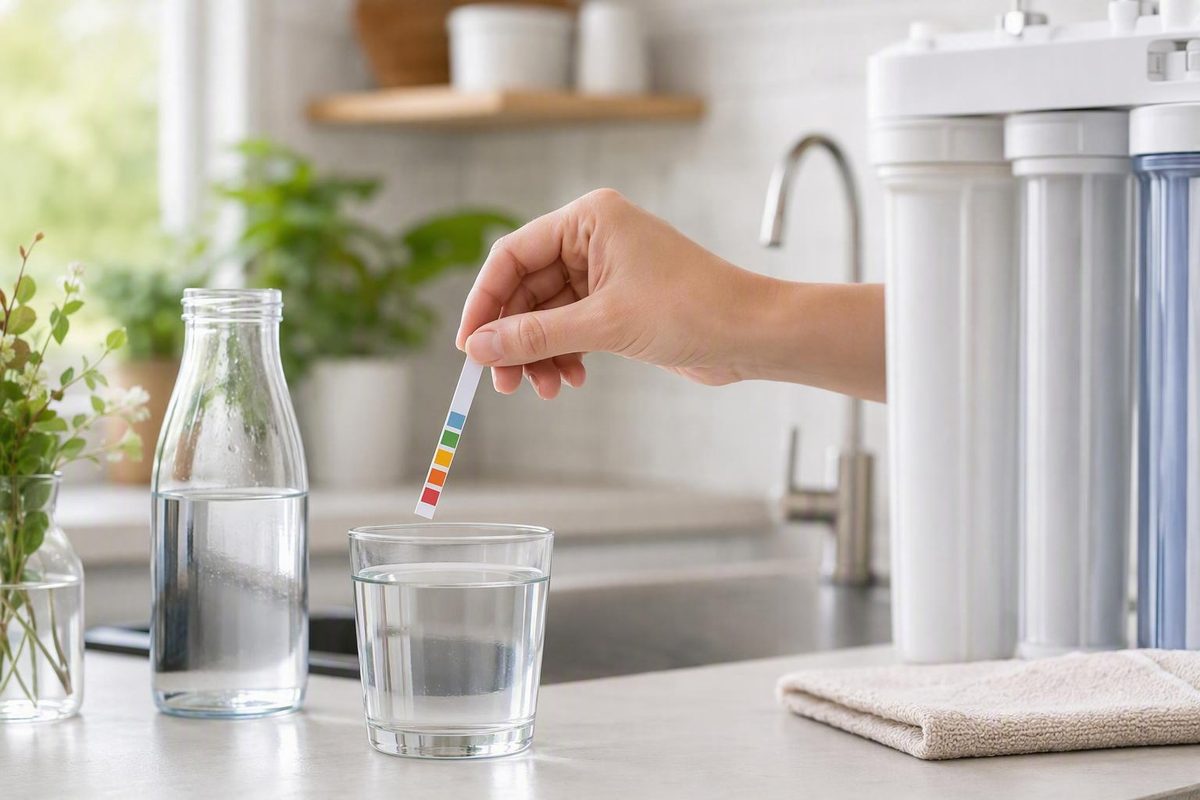
How to Test pH Level in Water: Strips, Meters & Results
A practical, repeatable way to measure your water’s acidity.
Certified RO Systems Can Reduce Lead
The certifier's current listing must match the exact model, and its Performance Test Data Sheet must explicitly name lead reduction.

Water Filters for Chloramine Need Exact-Model Evidence
Catalytic carbon is the common starting point. Decisive evidence is exact-model performance at a tested flow, concentration and capacity endpoint.
Boiling Water Leaves Fluoride Behind: Ways to Reduce It
To reduce fluoride, choose equipment designed and documented for it. The exact model must carry an explicit reduction claim supported by applicable evidence.
No Guides Found.
Try a broader search or clear the topic.
Identify the Problem
Match Treatment to the Contaminant
- Ultraviolet Light Disinfection Is Application-Specific
- 8 KDF Filter Checks: Uses, Limits and System Fit
- Does Boiling Remove Chlorine? The Type Matters
- Do Fridge Water Filters Remove Fluoride? The Model Decides
- Do Refrigerator Water Filters Remove Fluoride? Check the Exact Model
- Best Home Water Filters: 3 Picks Matched to Your Water
- Is Shower Water Safe to Drink? What Decides
- PES Membrane: Uses, Ratings & Selection
- Typical RO Desalination Chemical Dosages: mg/L & ppm
- Chlorinator for Well Water: Types, Costs & Selection
- Best Chlorine Injection System for Well Water
- Spring Water vs Mineral Water: What Really Differs
- Does Your City Already Filter PFAS From Tap Water?
- Water Filter for Coliform Bacteria: What Actually Works
- Testing for Iron in Water: Home Kits, Lab Tests & Results
- How to Test pH Level in Water: Strips, Meters & Results
- Certified RO Systems Can Reduce Lead
- Water Filters for Chloramine Need Exact-Model Evidence
- Boiling Water Leaves Fluoride Behind: Ways to Reduce It