
Is Tonic Water the Same as Carbonated Water? No
Tonic is carbonated but adds quinine and usually a sweetener; swaps keep the fizz but can change the drink’s flavor and calories.
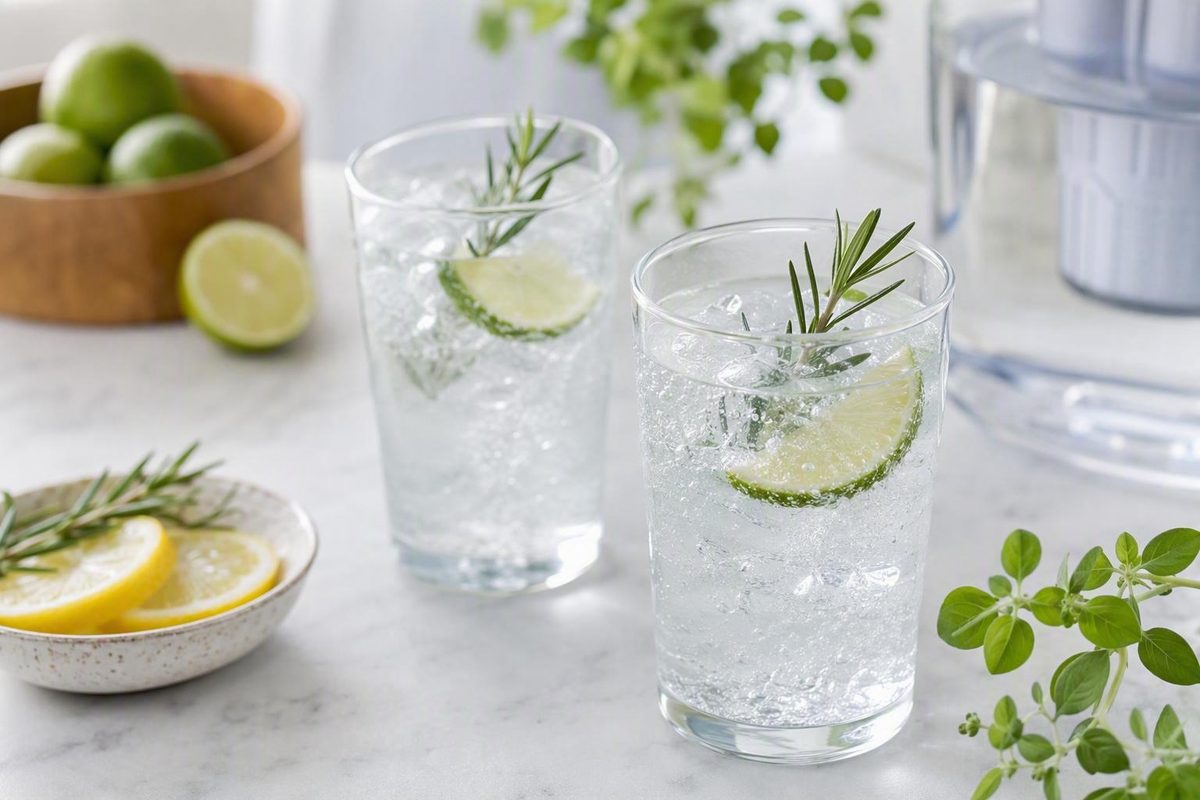
Tonic water is carbonated, but it is not the same as plain carbonated water. It uses fizzy water as a base, then adds quinine for bitterness and usually sugar or another sweetener. Replacing tonic with seltzer, sparkling water, or club soda preserves the bubbles but changes the drink’s flavor and, in many cases, its calories.
The short answer: carbonated, but not plain carbonated water
“Carbonated water” is the broad category. Tonic water is a particular carbonated beverage with flavor-defining ingredients.
The key ingredient is quinine, which creates tonic water’s characteristic bitterness. Regular tonic is also usually sweetened to balance that bitterness, giving it a bitter-sweet profile. Plain seltzer or sparkling water tastes comparatively neutral because it does not contain tonic’s defining combination of quinine and sweetener.
That difference matters whether you are choosing a drink on its own or a cocktail mixer. Tonic contributes flavor as well as carbonation; plain fizzy water primarily contributes bubbles.
Tonic water vs. seltzer, club soda, and sparkling water
All four beverages are carbonated, but their ingredients and uses differ:
| Beverage | Typical base or additions | Taste and mixer effect | Sugar or calories |
|---|---|---|---|
| Tonic water | Carbonated water, quinine, and usually a sweetener | Bitter-sweet; adds a pronounced mixer flavor | Regular versions commonly contain sugar, carbohydrates, and calories |
| Plain seltzer | Generally water plus carbon dioxide | Neutral; adds fizz without much flavor | Typically no sugar or calories |
| Club soda | Carbonated water with added mineral salts | Crisp, sometimes subtly mineral or salty | Plain products are usually sugar-free and calorie-free; sodium varies |
| Plain sparkling water | Carbonated water; mineral varieties may contain naturally occurring minerals | Neutral to lightly mineral | Plain, unsweetened products are typically calorie-free |
Seltzer is generally the simplest formulation: water carbonated with carbon dioxide. Club soda commonly contains added mineral salts, which can affect its taste and mouthfeel. “Sparkling water” is a less precise label. It may refer to water with added carbonation, naturally carbonated mineral water, or a flavored product with additional ingredients.
The terminology is not used consistently across every brand or market. As Epicurious explains in its comparison of fizzy waters, “seltzer” and “sparkling water” may overlap in everyday use. If a particular ingredient, calorie count, or sodium level matters, use the package label as the final check.
What quinine changes—and what U.S. rules require
Quinine supplies the bitter edge that distinguishes tonic water from plain carbonated water. A sweetener commonly balances that bitterness, although the exact formulation varies by product. Without quinine and the accompanying tonic-style flavoring, carbonated water may still be fizzy, but it will not taste like tonic.
In the United States, 21 CFR 172.575 permits quinine hydrochloride or quinine sulfate as a flavor in carbonated beverages at no more than 83 parts per million. A carbonated beverage containing quinine must also disclose its presence prominently on the label, either by including “quinine” in the product name or through a separate declaration. That 83-parts-per-million figure is a legal ceiling, not the concentration found in every tonic, and the rule does not establish a complete legal definition of tonic water. The federal quinine regulation provides the precise conditions.
Sugar, calories, and diet tonic
Regular tonic water usually contains added sugar or another caloric sweetener. It therefore commonly has carbohydrates and calories that are absent from plain, unsweetened seltzer or sparkling water. Comparisons of these beverages likewise show regular tonic as the caloric option while plain seltzer, club soda, and sparkling water are typically calorie-free, although individual formulations can differ (Healthline).
There is no single sugar or calorie figure that applies to every tonic. Recipes, package volumes, and labeled serving sizes vary. Compare equal volumes rather than relying on the largest number shown on the front of a can or bottle.
Diet and zero-sugar tonics may replace some or all of the caloric sweetener with alternative sweeteners. That can reduce sugar and calories, but it does not make the drink equivalent to plain carbonated water. It remains a tonic-style beverage because it still contains quinine and flavoring. Check the ingredient list to see which sweeteners a particular product uses.
For a quick label check:
- Look for quinine in the ingredient list or product declaration.
- Check the Nutrition Facts panel for total sugars, added sugars, carbohydrates, and calories.
- Identify alternative sweeteners in diet or zero-sugar products.
- Compare sodium when choosing among tonic, club soda, and mineral water.
- Review flavored sparkling waters separately because “sparkling” does not guarantee an unflavored or additive-free product.
Can you substitute plain carbonated water for tonic?
Yes—if the main goal is carbonation. No—if the drink depends on tonic’s characteristic bitterness and sweetness. Plain seltzer, sparkling water, or club soda supplies bubbles without reproducing tonic’s flavor.
| Desired result | Choose | What to expect |
|---|---|---|
| Bitter-sweet mixer flavor | Tonic water | Quinine bitterness balanced by sweetness |
| Neutral carbonation | Plain seltzer or sparkling water | Fizz with little added flavor |
| Fizz with light mineral character | Club soda | Subtle mineral or salty notes |
Replacing tonic with seltzer in a gin and tonic, for example, keeps the drink fizzy but makes it substantially less bitter and less sweet. The substitution is not inherently wrong; it simply produces a different result.
Choose tonic when its quinine bitterness and sweetness are part of the intended drink. Choose plain seltzer, sparkling water, or club soda when the main objective is carbonation. Because flavored sparkling waters and tonic formulations vary, verify the specific ingredients and nutrition panel before making the swap.